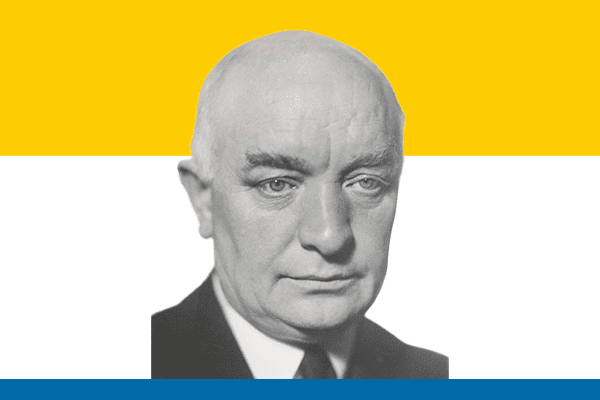
Early Life and Background
Per Albin Hansson was born on October 28, 1885, in Malmö, Sweden. He grew up in a working-class family, which strongly influenced his political beliefs. Instead of pursuing higher academic education, he entered the workforce early and became involved in socialist movements.
He joined the Swedish Social Democratic Party at a young age and quickly emerged as a committed activist. His early experiences shaped his dedication to improving conditions for workers and reducing social inequality. Through determination and strong communication skills, he gained recognition within the party.
Rise in Politics
Hansson steadily advanced in Swedish politics through hard work and clear vision. He served as a member of parliament and later took on leadership roles within the Social Democratic Party. In 1925, he became Minister of Defence, where he worked to strengthen Sweden’s military while maintaining a focus on peace.
In 1932, he became Prime Minister of Sweden. At that time, the country faced economic difficulties caused by the Great Depression. Hansson led a Social Democratic government that focused on economic recovery and social reform. He introduced policies that improved employment, housing, and social security.
The “Folkhemmet” Vision
Per Albin Hansson is best known for introducing the concept of “Folkhemmet,” or “The People’s Home.” He envisioned Sweden as a society where all citizens would feel equal, secure, and valued. Instead of dividing society into classes, he promoted cooperation and solidarity.
He actively implemented policies that expanded welfare programs, improved healthcare, and strengthened education. His government created a foundation for Sweden’s modern welfare state. By focusing on inclusivity and fairness, he reshaped the nation’s social structure.
Leadership During World War II
Hansson led Sweden during the challenging years of World War II. Although Sweden remained neutral, the country faced pressure from both Allied and Axis powers. Hansson carefully navigated these tensions to protect Sweden’s independence and security.
He formed a coalition government that included multiple political parties. This approach ensured national unity during a time of crisis. He made difficult decisions to balance neutrality with practical concerns, such as trade and defense.
His leadership kept Sweden out of direct conflict and preserved stability. Many historians view his wartime leadership as cautious but effective, as he prioritized the safety of the Swedish people.
Personal Life
Per Albin Hansson lived a relatively modest personal life despite his political success. He maintained close connections with ordinary citizens and remained committed to his principles. He avoided extravagance and focused on public service.
He married Sigrid Tollin and later had a long-term relationship with another partner, which reflected the complexities of his personal life. Despite this, his political reputation remained strong, as people respected his dedication to the nation.
Legacy and Impact
Per Albin Hansson left a lasting impact on Sweden’s political and social systems. He built the foundation of the Swedish welfare state and promoted equality and social justice. His “Folkhemmet” vision continues to influence Swedish society today.
He demonstrated that leadership could combine pragmatism with idealism. His ability to unite people and guide the nation through difficult times earned him widespread respect.
Conclusion
Per Albin Hansson remains a central figure in Swedish history. He transformed Sweden through active leadership, social reform, and a vision of unity. His legacy continues to shape the country’s identity and values.