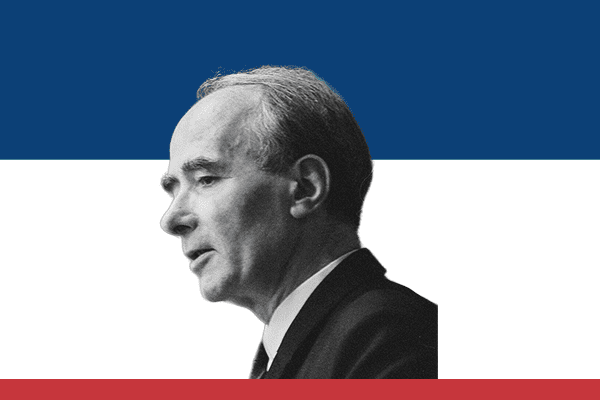
Early Life and Education
Trygve Martin Bratteli was born on January 11, 1910, in Nøtterøy, Norway. He grew up in a working-class family and faced financial struggles during his childhood. Because of economic difficulties, he could not continue higher education for long. Instead, he started working at an early age and became involved in labor movements.
Despite limited formal education, Bratteli educated himself through reading and political discussions. He developed a strong interest in workers’ rights and social equality. His experiences as a worker helped him understand the problems faced by ordinary citizens, and these experiences shaped his political beliefs.
Political Career
Bratteli joined the Norwegian Labour Party while he was still young. He worked actively in trade unions and political organizations. His dedication and leadership skills quickly gained attention within the party.
During World War II, Nazi Germany occupied Norway. Bratteli joined the resistance movement and fought against the occupation. The German authorities arrested him several times because of his resistance activities. He spent time in prison camps, including the infamous Natzweiler-Struthof concentration camp. These harsh experiences strengthened his determination to support democracy and freedom.
After the war, Bratteli returned to politics with renewed energy. He became a member of the Norwegian Parliament and served in several important government positions. He earned respect for his honesty, discipline, and commitment to public service.
Prime Minister of Norway
Trygve Bratteli became Prime Minister of Norway for the first time in 1971. He later served a second term from 1973 to 1976. During his leadership, Norway experienced major economic and political changes.
One of the most important issues during his time in office involved Norway’s relationship with Europe. Bratteli strongly supported Norwegian membership in the European Economic Community (EEC). He believed that cooperation with European countries would strengthen Norway’s economy and international position. However, many Norwegians opposed the idea. In a national referendum held in 1972, voters rejected membership in the EEC. After the defeat, Bratteli resigned as Prime Minister because he respected the democratic decision of the people.
Even after this setback, he continued to play an important role in Norwegian politics. When he returned as Prime Minister in 1973, he focused on improving the economy, strengthening welfare programs, and promoting social justice. His government worked to improve healthcare, education, and workers’ rights.
Leadership Style and Achievements
Bratteli led with sincerity and humility. Unlike many politicians who focused on personal fame, he concentrated on solving national problems and serving the public. People admired his calm personality and practical approach to leadership.
He strongly believed in equality and social welfare. His policies supported workers, low-income families, and public services. He also encouraged international cooperation and peace. Through his efforts, Norway strengthened its democratic values and social welfare system.
Bratteli’s wartime experiences also influenced his leadership. He understood the importance of human rights and freedom, and he defended these principles throughout his political career.
Legacy
Trygve Bratteli left a lasting impact on Norway. Historians remember him as a leader who valued honesty, democracy, and social equality. His journey from a poor working-class background to the highest political office inspired generations of Norwegians.
Although he faced political challenges, he always respected democratic decisions and worked for the good of the nation. His contributions to Norway’s welfare state and democratic traditions continue to influence Norwegian society today.
Conclusion
Trygve Bratteli played a major role in shaping modern Norway through his leadership, courage, and dedication to public service. He overcame personal hardships, resisted oppression during World War II, and guided Norway through important political changes. His life remains a powerful example of perseverance, integrity, and commitment to democracy.