Mr. Peter Fraser
In Office: 27 March 1940 – 13 December 1949
Political party: Labour
Home State: Hill of Fearn
Lifespan: 1884–1950
Country: New Zealand
Image credits available here.
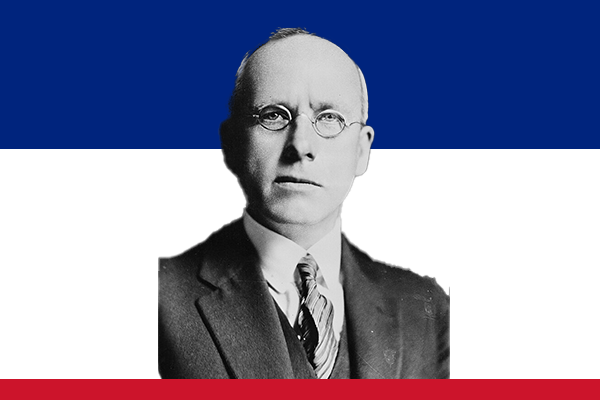
Early Life and Education
Peter Fraser was born on 28 August 1884 in Avondale, Auckland. He grew up in a working-class family and attended local schools. Fraser began working as a clerical officer in the government while pursuing political activism. His early experiences shaped his views on labor rights and social justice, motivating him to join the Labour Party, where he emerged as a strong advocate for workers and ordinary citizens.
Entry into Politics
Fraser entered New Zealand politics in 1918, winning a seat in Parliament as a representative of the Labour Party. He actively participated in legislative debates, advocating for workers’ rights, housing, and education reforms. His dedication and ability to navigate political challenges earned him recognition within the party, leading to several key ministerial roles before his rise to Prime Minister. Fraser consistently focused on improving social conditions, championing policies that addressed poverty, housing shortages, and unemployment.
Tenure as Prime Minister
Peter Fraser assumed office as Prime Minister in 1940, following the death of Michael Joseph Savage. He immediately took decisive actions to lead New Zealand during World War II, strengthening the country’s defense and maintaining international alliances. Fraser implemented wartime economic policies and coordinated civil defense efforts, ensuring that New Zealand contributed effectively to the Allied war effort.
He expanded social welfare programs, building upon Savage’s vision, by increasing support for families, pensions, and housing. Fraser emphasized the importance of education and healthcare, creating systems that served New Zealanders for decades. His government also played a vital role in international diplomacy, representing New Zealand in postwar planning and contributing to the establishment of the United Nations.
Social and Economic Contributions
Fraser actively promoted social welfare policies that aimed to reduce inequality and support vulnerable populations. He oversaw public housing programs, increased access to education, and strengthened labor protections. Economically, he guided New Zealand through wartime shortages and postwar reconstruction, balancing fiscal responsibility with social investment. Fraser’s policies laid the foundation for a modern welfare state in New Zealand, enhancing the quality of life for millions of citizens.
Personal Life and Character
Peter Fraser married Catherine Hughes, and their family life reflected his values of hard work and social responsibility. He was known for his humility, decisiveness, and unwavering commitment to democratic principles. Colleagues and historians often describe him as pragmatic, compassionate, and resilient—a leader who prioritized the nation’s needs over personal gain.
Legacy
Fraser retired from politics in 1949, leaving a lasting legacy as a leader who guided New Zealand through war and social transformation. His contributions to social welfare, housing, labor rights, and education shaped the nation’s future. Peter Fraser remains a symbol of principled leadership, demonstrating how dedication, vision, and moral integrity can influence a country’s development.