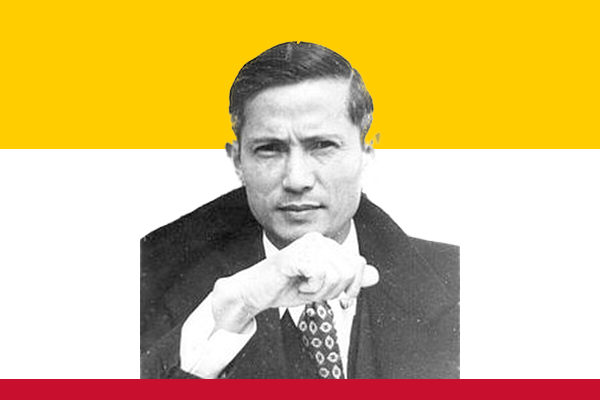
Early Life and Education
Phan Huy Quát was born in 1908 in Thừa Thiên Province, Vietnam. He came from a respected scholarly family that valued education and national service. He pursued higher studies in medicine and earned a degree as a medical doctor. His education and moral upbringing shaped his vision of serving his nation through both public health and political reform.
Entry into Politics
After completing his medical studies, Phan Huy Quát began his career as a doctor, but his growing concern for his country’s colonial struggles drew him into politics. He joined nationalist movements that aimed to secure independence from French rule. His intellect and moderate political stance earned him recognition among Vietnam’s political thinkers.
Role in the First Republic of Vietnam
Phan Huy Quát played an important role during the formation of the First Republic of Vietnam under President Ngô Đình Diệm. He served as Minister of Defense and later as Minister of Education, where he worked to modernize the education system and strengthen Vietnam’s defense forces. His dedication and sense of integrity distinguished him as a capable and honest administrator.
However, as Diệm’s regime became increasingly authoritarian, Phan Huy Quát grew critical of the government’s policies. He favored a more democratic approach and believed that reform, not repression, could unify the country. His opposition to Diệm’s leadership placed him at odds with the ruling government and led to his temporary withdrawal from political life.
Return to Leadership
After Diệm’s fall in 1963, Phan Huy Quát returned to politics during a time of deep instability in South Vietnam. The country faced internal divisions, coups, and mounting pressure from the escalating Vietnam War. His reputation as a moderate and honest leader made him a suitable choice for high office.
In February 1965, the government appointed him as Prime Minister of South Vietnam. He accepted the role with the goal of restoring order and creating a sense of national unity.
Leadership as Prime Minister
As Prime Minister, Phan Huy Quát focused on stabilizing the political landscape. He attempted to reform administrative structures, strengthen civilian institutions, and promote cooperation among military and political factions. He also sought to improve relations with the United States, whose support was crucial to South Vietnam’s survival during the war.
Despite his efforts, his administration faced constant challenges. Rival military factions and political groups resisted his authority. He struggled to implement his reforms in a country torn by internal conflict and foreign intervention. Nevertheless, he continued to advocate for a balanced approach that combined reform with diplomacy.
Resignation and Later Life
By mid-1965, growing tensions between civilian and military leaders forced Phan Huy Quát to resign. General Nguyễn Cao Kỳ replaced him as the new head of government. After stepping down, Phan Huy Quát withdrew from public life but remained an influential figure in Vietnamese political discussions.
He later faced arrest after the fall of Saigon in 1975, when the Communist forces took control of South Vietnam. He was imprisoned under the new regime and died in 1979 while still in detention.
Legacy and Impact
Phan Huy Quát’s political journey reflected the struggles of a divided Vietnam. He stood for moderation, integrity, and reform in a time dominated by conflict and instability. Although his tenure as Prime Minister was brief, his leadership represented a commitment to national unity and moral governance.
Historians remember him as one of the few Vietnamese leaders who tried to balance nationalism with democratic ideals. His life serves as a reminder of the difficult choices faced by leaders in times of division and war.