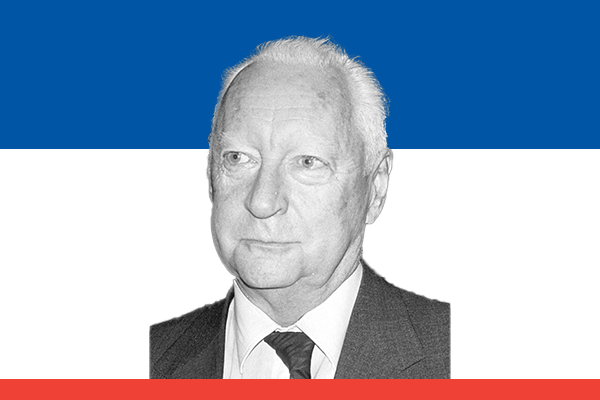
Early Life and Education
Pierre Messmer was born on March 20, 1916, in Vincennes, France. He grew up in a patriotic environment that shaped his sense of duty. Messmer studied law and political science before joining the military. He embraced discipline and responsibility from an early age. He prepared himself for leadership through education and service.
Military Service and Resistance
Messmer joined the French Army before World War II. He fought bravely during the war and refused to accept defeat. He escaped to join General Charles de Gaulle and the Free French Forces. Messmer resisted Nazi occupation and dedicated himself to France’s liberation. He participated in multiple campaigns and earned recognition for courage. emerged as a decorated officer with proven loyalty.
Colonial Administration and Political Rise
After the war, Messmer entered the French colonial administration. governed territories in Africa and Asia with authority and determination. He managed conflicts, built infrastructure, and maintained order. Messmer acted firmly and won respect as a reliable administrator. Messmer later transitioned into politics by joining Charles de Gaulle’s Gaullist movement. He represented continuity of de Gaulle’s vision. Messmer secured election as a deputy in the French National Assembly and gained prominence.
Ministerial Positions Before Premiership
Messmer held several ministerial positions before becoming Prime Minister. his served as Minister of Armies under de Gaulle. Messmer reorganized the French military and strengthened nuclear defense. He modernized weapons and supported the idea of French independence in global security. Messmer consistently defended the nation’s sovereignty. Messmer remained loyal to Gaullist principles and never compromised on defense. He rose as a trusted statesman who valued order and stability.
Premiership of France (1972–1974)
President Georges Pompidou appointed Pierre Messmer as Prime Minister in July 1972. He accepted the role with determination. Messmer emphasized stability, authority, and national unity. Messmer governed with a strong hand and resisted political pressure. his managed a cabinet that reflected Gaullist policies. He promoted economic modernization while maintaining traditional values. prioritized industrial development and technological progress. He defended French independence in international affairs. Messmer preserved the spirit of de Gaulle in French politics.
Policies and Achievements
Messmer supported nuclear energy as a solution to France’s energy challenges. He encouraged scientific research and technological innovation. Messmer promoted industrial growth and infrastructure expansion. his strengthened law and order through decisive measures. Messmer protected national sovereignty in foreign policy. He maintained strong relations with European neighbors while guarding French independence. Messmer kept France stable during political transitions. implemented reforms without abandoning Gaullist traditions.
Challenges During His Term
Messmer faced economic difficulties in the early 1970s, confronted inflation, rising oil prices, and labor unrest. Messmer responded with strict measures to preserve stability. He managed strikes with firmness and refused to compromise national order. Messmer defended state authority and resisted political fragmentation. his governed with determination during uncertain times. He prioritized national strength over political popularity.
Later Life and Legacy
Pierre Messmer resigned in 1974 after Pompidou’s death. Messmer supported Valéry Giscard d’Estaing’s government but remained committed to Gaullism. Messmer later served as a member of parliament and continued to influence politics. became a respected elder statesman who defended France’s traditions. Messmer received recognition for his integrity and patriotism. He left behind a reputation of discipline, authority, and national service. Messmer died on August 29, 2007, at the age of 91.
Conclusion
Pierre Messmer lived as a soldier, administrator, and statesman. Messmer fought bravely for France’s freedom. He governed with firmness as Prime Minister. Messmer defended national sovereignty and preserved Gaullist ideals. he shaped France’s politics during a time of transition. Messmer left a legacy of patriotism and duty. He remains remembered as a leader of conviction and discipline.