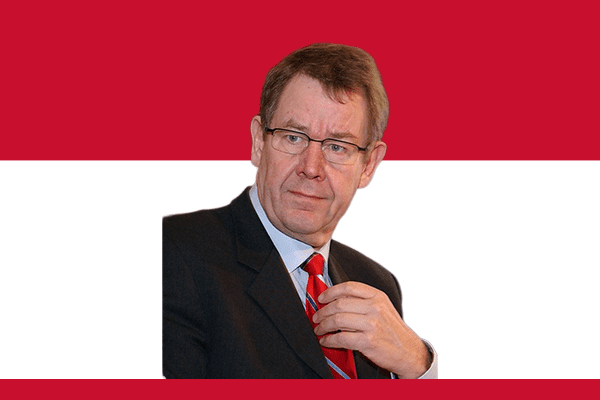
Early Life and Education
Poul Nyrup Rasmussen was born on June 15, 1943, in Esbjerg, Denmark. He grew up in a middle-class family and developed an early interest in politics and economics. He studied economics at the University of Copenhagen, where he gained knowledge about financial systems and public policy.
After completing his education, Rasmussen worked in labor organizations and trade unions. These experiences helped him understand the challenges faced by workers and ordinary citizens. Instead of staying away from public service, he actively entered politics to improve social and economic conditions in Denmark.
Entry into Politics
Rasmussen joined the Social Democratic Party and quickly earned recognition for his intelligence and leadership abilities. He worked on economic policies and became known as a strong supporter of workers’ rights and social welfare programs.
In 1988, he became the leader of the Social Democrats. At that time, Denmark faced economic challenges, including unemployment and slow growth. Rasmussen presented practical solutions and encouraged cooperation among political parties.
Prime Minister of Denmark
In 1993, Poul Nyrup Rasmussen became the Prime Minister of Denmark after forming a coalition government. During his leadership, he focused on economic reforms and social development. He introduced policies that reduced unemployment and improved economic stability.
Rasmussen encouraged investment in education, healthcare, and technology. His government supported job creation programs and strengthened Denmark’s welfare system. Instead of cutting social benefits drastically, he balanced economic reforms with social protection.
Under his leadership, Denmark experienced economic growth and rising employment rates. Many citizens appreciated his efforts to create a fair and modern society.
European Union and International Role
Poul Nyrup Rasmussen strongly supported European cooperation. He believed that Denmark could achieve greater progress through active participation in the European Union. He worked to strengthen Denmark’s relationship with European nations while protecting Danish interests.
He also participated in international discussions on economic development, human rights, and social justice. His leadership gained respect across Europe because he promoted stability and cooperation.
After leaving office, Rasmussen continued his involvement in European politics. He became the President of the Party of European Socialists and supported democratic and progressive policies throughout Europe.
Leadership Style and Achievements
Rasmussen’s leadership style combined practicality with compassion. He listened carefully to public concerns and encouraged teamwork within his government. He believed that strong economies should also protect vulnerable citizens.
One of his major achievements was reducing unemployment in Denmark. He also modernized parts of the Danish economy and promoted innovation. His government invested in education and workforce development, preparing Denmark for future economic challenges.
Rasmussen consistently defended social equality and democratic principles. Through his policies, he aimed to create opportunities for all citizens rather than benefiting only a small section of society.
Personal Life and Legacy
Poul Nyrup Rasmussen experienced personal tragedy when his daughter died at a young age. This event deeply affected him and increased his focus on mental health awareness and social support systems.
Even after retiring from active politics, he continued contributing to public discussions and social causes. Many people remember him as a dedicated leader who combined economic responsibility with social compassion.
His legacy remains important in Danish politics because he strengthened the welfare state while guiding Denmark through economic modernization. His contributions continue to influence political discussions in Denmark and Europe.
Conclusion
Poul Nyrup Rasmussen played a major role in shaping modern Denmark through active leadership and progressive policies. As Prime Minister, he improved economic conditions, supported social welfare, and strengthened European cooperation. His dedication to democracy, equality, and public service made him one of Denmark’s respected political leaders.