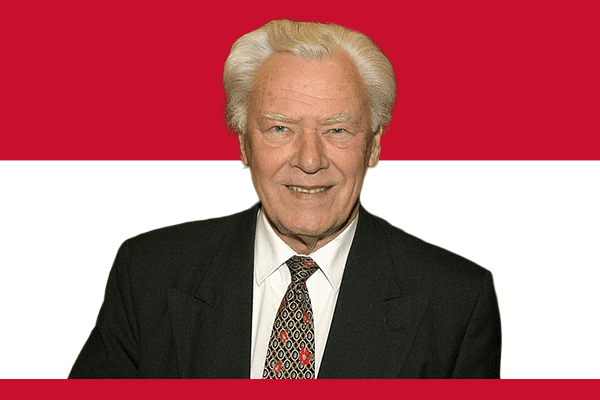
Early Life and Education
Poul Holmskov Schlüter was born on April 3, 1929, in Tønder, Denmark. He grew up in a middle-class family and developed an interest in politics and law at a young age. He studied law at the University of Copenhagen and earned his degree in 1957. His education helped him build analytical and leadership skills that later supported his political career.
After completing his studies, Schlüter worked as a lawyer. During this time, he actively participated in political discussions and became associated with the Conservative People’s Party. His commitment and communication skills quickly gained attention within the party.
Beginning of Political Career
Poul Schlüter entered Danish politics in the 1960s. In 1964, he became a member of the Danish Parliament, known as the Folketing. He worked hard to strengthen the Conservative People’s Party and focused on economic responsibility, business growth, and democratic values.
In 1974, he became the leader of the Conservative People’s Party. Under his leadership, the party gained popularity and attracted voters who wanted economic stability and effective governance. Schlüter’s calm personality and practical decision-making style helped him earn public trust.
Prime Minister of Denmark
In 1982, Poul Schlüter became the Prime Minister of Denmark after forming a coalition government. Denmark faced serious economic problems at that time, including high unemployment, inflation, and national debt. Schlüter introduced economic reforms to improve the country’s financial condition.
His government reduced public spending, encouraged private business growth, and strengthened Denmark’s economy. These policies helped control inflation and restore confidence in the Danish financial system. Although some reforms faced criticism, many citizens recognized the positive changes in the economy.
Schlüter also supported Denmark’s cooperation with European institutions. He believed international collaboration could improve economic opportunities and strengthen Denmark’s position in Europe.
Leadership Style and Achievements
Poul Schlüter led with discipline, patience, and determination. Instead of using aggressive political tactics, he preferred dialogue and compromise. His leadership style helped coalition governments function effectively for more than a decade.
One of his famous statements was, “There is no hiding place,” which became associated with political honesty and responsibility in Denmark. He valued transparency and expected accountability from government officials.
During his tenure, Denmark improved its economic performance and strengthened its international reputation. Schlüter modernized conservative politics and made the Conservative People’s Party more influential in Danish society.
Challenges and Resignation
Despite his successes, Schlüter faced political difficulties during the later years of his government. In 1993, a political investigation related to immigration case handling created controversy. Although he denied intentional wrongdoing, the situation weakened public confidence in his administration.
As a result, Poul Schlüter resigned as Prime Minister in 1993. His resignation demonstrated respect for democratic principles and political accountability. After leaving office, he remained an important figure in Danish politics and public life.
Legacy and Importance
Poul Schlüter left a lasting impact on Denmark’s political and economic development. He transformed conservative leadership in the country and guided Denmark through difficult economic conditions. His reforms helped stabilize the economy and encouraged modernization.
Many historians and political experts consider him one of Denmark’s most important post-war prime ministers. His leadership showed that cooperation, responsibility, and practical policies could successfully address national challenges.
Conclusion
Poul Schlüter played a significant role in Danish political history through his strong leadership and economic reforms. As Prime Minister, he improved Denmark’s financial stability and strengthened democratic governance. His legacy continues to influence Danish politics and conservative thought today.