Mr. Ramsay MacDonald
In Office: 5 June 1929 – 7 June 1935
22 January 1924 – 4 November 1924
Political Party: Labour
Home State: Lossiemouth
Lifespan: 1866–1937
Country: United Kingdom
Image credits available here.
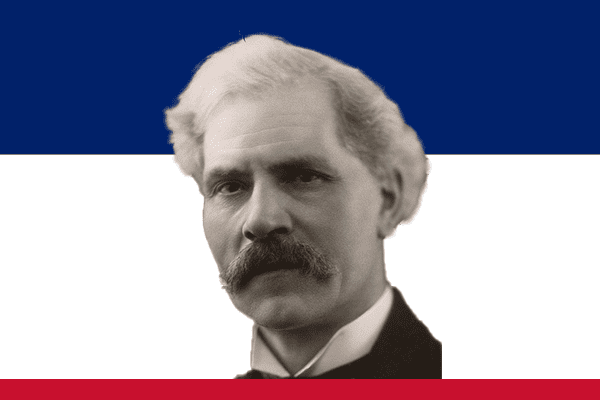
Early Life and Education
Ramsay MacDonald was born on 12 October 1866 in Lossiemouth, Scotland. His mother, Anne Ramsay, worked as a housemaid, and MacDonald grew up in modest circumstances. Despite financial difficulties, he showed a strong interest in education and politics from an early age. He attended the local parish school and later moved to London to seek better opportunities.
In London, MacDonald worked in clerical jobs while continuing his education independently. During this time, he became interested in socialist ideas and political reform. He joined political organizations that promoted workers’ rights and democratic reforms.
Entry into Politics
MacDonald became involved in the growing labour movement in Britain during the late nineteenth century. He joined the Independent Labour Party and played an important role in organizing political activities for workers. His dedication and leadership skills soon brought him recognition within the movement.
In 1906, MacDonald was elected as a Member of Parliament for Leicester. His election represented an important step forward for the Labour movement. He worked actively in Parliament to promote social reforms, workers’ rights, and democratic governance.
First Labour Prime Minister
In 1924, MacDonald became Prime Minister of the United Kingdom, leading the first Labour government in British history. Although his government did not have a parliamentary majority, it introduced several social and diplomatic initiatives. MacDonald emphasized peace and international cooperation.
One of his major foreign policy achievements involved improving relations with the Soviet Union. His government attempted to strengthen diplomatic ties and promote international stability after the devastation of World War I.
However, political opposition and controversies weakened his government. After only nine months in power, his administration fell, and a general election was called.
Second Term and Economic Crisis
MacDonald returned to power in 1929 when the Labour Party won the general election. His second term began during a period of severe economic difficulties caused by the global depression following the Wall Street Crash of 1929. Rising unemployment and financial instability created major challenges for his government.
To address the crisis, MacDonald formed a coalition known as the National Government in 1931. Members from different political parties supported this government in an attempt to stabilize the economy. However, many Labour Party members opposed this decision and accused MacDonald of betraying the party.
As a result, the Labour Party expelled him, and his political reputation suffered greatly. Despite the criticism, MacDonald continued to serve as Prime Minister within the National Government until 1935.
Later Life and Legacy
After leaving office, MacDonald gradually withdrew from active politics. He remained a Member of Parliament for several years but played a smaller role in national affairs. His health declined in the mid-1930s, and he died on 9 November 1937.
Ramsay MacDonald left a complex political legacy. He played a crucial role in bringing the Labour Party to power and demonstrating that a workers’ party could govern Britain. His leadership opened the path for later Labour leaders such as Clement Attlee.