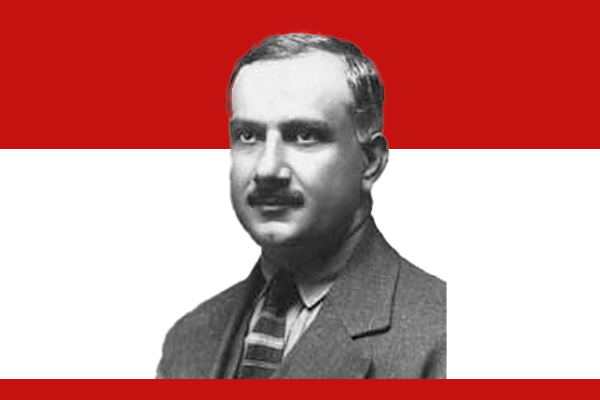
Early Life and Political Background
Recep Peker was born in 1889 in Istanbul during the final years of the Ottoman Empire. He received a solid education and developed a strong interest in nationalism and reformist ideas at an early age. After the establishment of the Republic of Turkey in 1923, Peker joined the political movement led by Mustafa Kemal Atatürk. He quickly emerged as a committed supporter of republican reforms, secularism, and state authority.
Peker actively participated in the Republican People’s Party (CHP) and gained recognition as a disciplined organizer and strict ideologue. His dedication to party principles earned him several key positions, including ministerial roles and party secretary-general.
Role in the Republican People’s Party
As a senior leader within the CHP, Recep Peker played a major role in shaping party ideology. He strongly supported statism, secularism, and nationalism, which formed the foundation of Kemalism. Peker believed that the state must guide society firmly to protect the achievements of the republic.
During his tenure as CHP secretary-general, he strengthened party discipline and centralized decision-making. He openly opposed political pluralism in its early stages, arguing that rapid democratization could threaten national unity and reform.
Prime Ministership of Recep Peker
Recep Peker assumed office as Prime Minister in August 1946, following Turkey’s first multi-party general elections. He led the country at a time when political tensions were high, especially between the ruling CHP and the newly formed Democrat Party (DP).
As Prime Minister, Peker governed with a strict and authoritative approach. He defended the existing political order and resisted opposition demands for rapid democratic reforms. In parliament, he often confronted opposition leaders directly and forcefully, reflecting his belief in firm leadership over compromise.
Challenges and Political Tensions
Peker’s leadership style generated significant controversy. Opposition parties accused him of intolerance and authoritarian behavior. His harsh tone in parliamentary debates intensified political polarization and weakened dialogue between parties.
Despite his intentions to protect the republic, Peker struggled to adapt to the changing political environment. Public pressure for greater political freedom increased, and internal divisions within the CHP also grew. These challenges gradually reduced his political support.
Resignation and Later Life
Facing mounting criticism and declining confidence, Recep Peker resigned as Prime Minister in September 1947. His departure marked a turning point in Turkish politics, as the government began adopting a more conciliatory approach toward opposition parties.
After leaving office, Peker withdrew from active politics. He spent his later years away from public life and passed away in 1950.
Legacy and Historical Significance
Recep Peker remains a significant figure in Turkish political history. He represented the last phase of rigid single-party governance before Turkey fully embraced competitive multi-party democracy. While critics remember him for his authoritarian methods, supporters view him as a loyal defender of republican principles during a sensitive period.