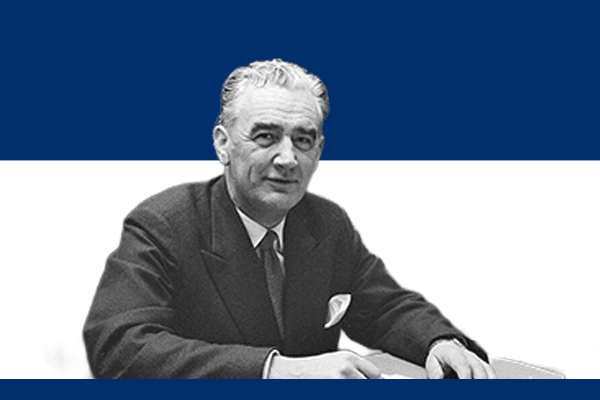
Early Life and Education
Reino Henrik Oskar Kuuskoski was born on January 22, 1920, in Finland. He grew up in a society that valued education and civic responsibility. From an early age, he showed a strong interest in academics and public affairs. He pursued higher education in law and became highly knowledgeable in legal and governmental matters.
His studies prepared him for a successful career in public administration and politics. Instead of limiting himself to legal practice, Kuuskoski chose to work in areas that directly influenced Finnish society. His educational background gave him the skills needed to handle complex political and social challenges.
Entry into Politics
Reino Kuuskoski entered politics through his involvement in public administration and legal affairs. He became associated with Finland’s political leadership during a period of national reconstruction and modernization after World War II. Finland faced economic and political pressures during this time, and leaders needed practical solutions to maintain stability.
Kuuskoski earned recognition for his disciplined work ethic and deep understanding of government systems. He focused on administrative reforms and educational development rather than political confrontation. His calm and professional leadership style helped him gain the trust of both colleagues and citizens.
Prime Minister of Finland
In 1958, Reino Kuuskoski became the Prime Minister of Finland. Although his tenure lasted only a few months, he worked actively to maintain political balance and governmental efficiency. Finland experienced political instability during that period, and coalition governments often faced difficulties.
As prime minister, Kuuskoski concentrated on ensuring smooth administration and cooperation among political groups. He promoted responsible governance and emphasized national unity. Even during a short term, he demonstrated professionalism and dedication to democratic principles.
Unlike leaders who sought personal popularity, Kuuskoski focused on fulfilling his responsibilities effectively. His leadership reflected honesty, discipline, and commitment to Finland’s welfare.
Contributions to Education and Administration
Beyond politics, Reino Kuuskoski made valuable contributions to Finland’s educational and administrative sectors. He believed that education played a key role in national progress. He supported reforms that improved educational quality and expanded opportunities for students.
He also worked in various administrative positions where he encouraged efficiency and accountability. His legal expertise helped shape policies and institutional practices. Through his efforts, he strengthened public administration and promoted professionalism within government institutions.
Kuuskoski’s influence extended beyond his political office because he continued contributing to Finnish society through academic and administrative work.
Leadership Style and Personality
Reino Kuuskoski became known for his calm, intellectual, and practical approach to leadership. He avoided unnecessary political conflicts and focused on problem-solving. His colleagues respected his integrity and thoughtful decision-making.
He valued cooperation and dialogue, which helped him work effectively with different political groups. Instead of using aggressive political tactics, he relied on knowledge, preparation, and professionalism. These qualities made him a respected figure in Finnish public life.
His leadership style reflected the broader Finnish political culture, which emphasized consensus, responsibility, and stability.
Legacy and Historical Importance
Although Reino Kuuskoski served as prime minister for a short period, his contributions left a lasting impact on Finland. Historians recognize him as a capable administrator and dedicated public servant who supported democratic governance during a challenging era.
His work in education, law, and public administration strengthened Finnish institutions and encouraged responsible leadership. He demonstrated that effective leadership depends not only on long tenure but also on commitment and integrity.
Today, Kuuskoski remains an important figure in Finland’s political history. His career continues to inspire those who value public service, education, and honest governance.
Conclusion
Reino Kuuskoski played a meaningful role in Finland’s political and administrative development. Through active leadership, educational support, and professional integrity, he contributed to the nation’s progress. Even though his time as prime minister was brief, his dedication to Finland and its democratic institutions ensured his lasting place in history.