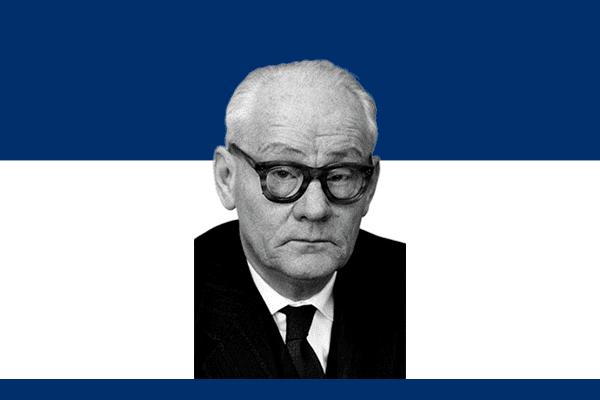
Early Life and Education
Reino Ragnar Lehto was born on February 2, 1898, in Turku, Finland. He grew up during a period when Finland experienced political and social transformation under Russian rule. From a young age, he showed strong interest in education, law, and governance.
Lehto pursued legal studies and earned a law degree, which prepared him for a successful career in the judicial and political fields. Instead of limiting himself to academic knowledge, he actively participated in public administration and legal reforms. His legal expertise later helped him gain respect among political leaders and government officials.
Career in Public Service
Reino R. Lehto built his reputation through dedicated service in Finland’s legal and administrative institutions. He worked in several government positions and became known for his disciplined approach to law and governance. Rather than seeking popularity, he focused on solving administrative and constitutional matters efficiently.
He served in judicial and governmental roles that strengthened Finland’s legal framework. His calm personality and practical decision-making skills earned him the trust of political leaders from different parties. As a result, he became an influential figure in Finnish public administration.
Appointment as Prime Minister
In 1963, Finland appointed Reino R. Lehto as Prime Minister during a politically sensitive time. His government functioned mainly as a caretaker administration that prepared the country for parliamentary elections. Despite the temporary nature of his leadership, he handled national responsibilities with professionalism and stability.
Lehto focused on maintaining political balance and ensuring smooth governmental operations. Instead of promoting divisive politics, he encouraged cooperation among political groups. His leadership helped Finland maintain democratic continuity during a transitional period.
Leadership Style and Contributions
Reino R. Lehto adopted a practical and disciplined leadership style. He believed in constitutional order, responsible governance, and efficient administration. His legal background allowed him to approach political challenges carefully and logically.
During his tenure, he emphasized stability and institutional integrity. He worked to ensure that government departments operated effectively and responsibly. Rather than pursuing dramatic political reforms, he concentrated on maintaining trust in Finland’s democratic institutions.
Lehto also contributed to strengthening Finland’s administrative system through his experience in law and governance. His efforts supported the country’s reputation for political stability and efficient public service.
Personal Life and Character
Reino R. Lehto maintained a professional and modest public image throughout his life. He preferred disciplined work over political publicity and focused on fulfilling his responsibilities honestly. Many colleagues admired his intelligence, calm temperament, and dedication to justice.
His legal expertise and administrative knowledge distinguished him from many other political leaders of his time. Instead of relying on emotional speeches, he used logical reasoning and careful planning in decision-making.
Legacy and Historical Importance
Although Reino R. Lehto served as prime minister for a limited period, his contributions to Finland’s political and legal systems remain important. He demonstrated how effective leadership could maintain national stability during times of political transition.
Historians recognize him as a reliable administrator who valued democracy, law, and constitutional governance. His service reflected integrity and professionalism, qualities that strengthened public confidence in Finnish institutions.
Lehto’s career also highlighted the importance of experienced civil servants in maintaining democratic continuity. His calm leadership style and commitment to public duty continue to earn respect in Finnish political history.
Conclusion
Reino R. Lehto played a valuable role in Finland’s government and legal administration. Through active leadership, legal expertise, and responsible governance, he helped maintain political stability during an important period in Finnish history. His dedication to democracy and public service left a lasting impact on Finland’s administrative and political traditions.