Mr. Ri Jong-ok
In Office: 15 December 1977 – 27 January 1984
Political Party: Workers’ Party of Korea
Home State: Hamgyong
Lifespan: 1916–1999
Country: North Korea
Image credits available here.
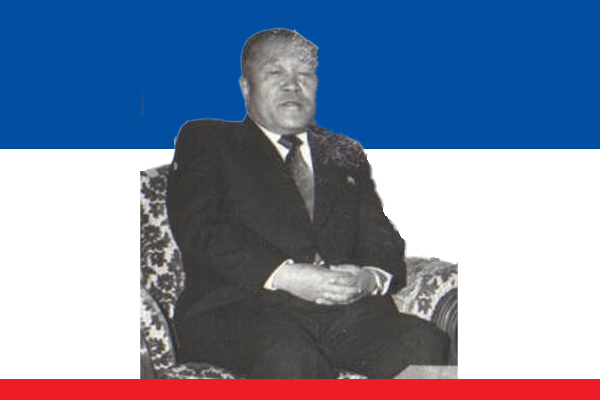
Early Life and Political Background
Ri Jong-ok was born during the Japanese colonial period in Korea, a time that deeply influenced the political consciousness of many future North Korean leaders. Like several members of the revolutionary generation, he became involved in socialist and communist movements that opposed colonial rule and later supported the establishment of a socialist state in the northern part of the Korean Peninsula. After the foundation of North Korea in 1948, Ri Jong-ok steadily advanced through party and government structures. His rise reflected his reputation as a reliable administrator and a committed supporter of the Workers’ Party of Korea. These qualities helped him gain the trust of the top leadership.
Rise to the Position of Prime Minister
Ri Jong-ok was appointed Prime Minister in 1977, succeeding Pyongyang’s earlier leadership figures. His appointment came at a time when North Korea emphasized economic self-reliance, known as Juche, and sought to strengthen internal administrative efficiency.
As Prime Minister, Ri Jong-ok became the head of government, responsible for implementing policies approved by the Workers’ Party and the supreme leadership. Although real power remained concentrated at the top, his role was crucial in translating ideological goals into practical administrative actions.
Economic and Administrative Policies
During Ri Jong-ok’s tenure, North Korea focused heavily on industrial output, collective agriculture, and infrastructure development. He supervised ministries and state committees tasked with meeting production targets under central economic plans.
Ri Jong-ok emphasized discipline, organization, and coordination among government bodies. His leadership style reflected the broader North Korean governance model, where adherence to plans and ideological correctness were considered essential for national progress. While the country faced economic challenges, the government under his leadership continued to prioritize heavy industry and defense-related production.
Role Within the Political System
Ri Jong-ok also served as a member of key political bodies, including the Central Committee of the Workers’ Party of Korea. This dual role strengthened coordination between party directives and government execution.
Although the Prime Minister’s position did not challenge the authority of the supreme leader, Ri Jong-ok played an important supporting role in maintaining state stability and policy continuity. His loyalty and consistency made him a dependable figure within the leadership structure.
Later Years and Legacy
Ri Jong-ok’s term as Prime Minister ended in 1984, after which he continued to hold senior positions within the state apparatus. His long career demonstrated endurance and adaptability within North Korea’s political environment.
His legacy lies mainly in administrative service rather than ideological innovation. Ri Jong-ok represented the technocratic side of North Korean leadership—focused on management, coordination, and execution of established policies. He remains remembered as a disciplined official who contributed to sustaining the functioning of the North Korean government during a critical period.
Conclusion
Prime Minister Ri Jong-ok was a key administrative leader in North Korea’s political history. Through his years of service, he supported the centralized governance model and worked to implement economic and political directives. While not a reformer, his role was significant in maintaining continuity and stability within the state system during the late 20th century.