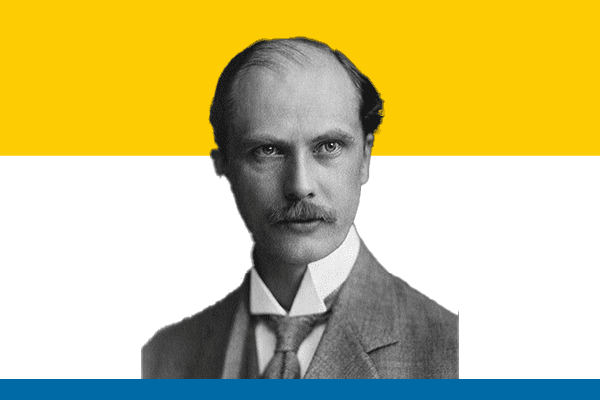
Early Life and Education
Rickard Sandler was born on January 29, 1884, in Blidsberg, Sweden. He grew up in a modest family environment that encouraged education and critical thinking. Instead of relying on privilege, he built his career through dedication and academic excellence.
He studied at Uppsala University, where he focused on economics and social sciences. His academic background shaped his understanding of economic policies and social reforms. During his student years, he actively engaged in political discussions and joined the Social Democratic movement, which later defined his career.
Entry into Politics
Sandler entered politics through the Swedish Social Democratic Party. He quickly gained recognition for his analytical skills and clear communication. Rather than remaining a passive member, he actively participated in shaping party policies.
He worked as a journalist and editor, using media as a tool to influence public opinion. His writings reflected his commitment to social justice, economic reform, and democratic governance. This active engagement helped him rise within the political ranks.
Tenure as Prime Minister
In 1925, Rickard Sandler became Prime Minister of Sweden. He led the government during a challenging period marked by economic uncertainty and political tensions. Instead of avoiding difficult decisions, he addressed key national issues directly.
His government focused on economic stability and social welfare reforms. Although his tenure was relatively short, lasting until 1926, he actively worked to strengthen democratic institutions. He maintained a pragmatic approach to governance and emphasized cooperation within the parliament.
Role as Foreign Minister
After his tenure as Prime Minister, Sandler continued to serve Sweden as Foreign Minister from 1932 to 1939. In this role, he actively shaped Sweden’s foreign policy during a time of rising global tensions.
He advocated for collective security and international cooperation, particularly through the League of Nations. Instead of adopting isolationist policies, he promoted diplomatic engagement. However, his strong stance sometimes led to disagreements within the government, especially regarding responses to European conflicts.
Contributions and Leadership Style
Rickard Sandler demonstrated a leadership style based on intellect, clarity, and active participation. He did not rely on symbolic authority; instead, he engaged deeply with policy-making and decision-making processes.
He contributed significantly to economic thought and public administration in Sweden. His ability to combine academic knowledge with practical governance made him an effective leader. He also supported education and cultural development, recognizing their importance in national progress.
Challenges and Later Life
Sandler faced several challenges throughout his career, including political opposition and international crises. During the late 1930s, disagreements over Sweden’s foreign policy led to his resignation as Foreign Minister.
Despite these setbacks, he remained an influential figure in Swedish public life. He continued to contribute through writing and intellectual discourse. His commitment to democratic values and international cooperation remained consistent throughout his life.
Legacy and Significance
Rickard Sandler left a lasting impact on Sweden’s political and diplomatic history. He actively shaped policies that promoted economic stability and international collaboration. His work as both Prime Minister and Foreign Minister highlighted his versatility and dedication.
Rather than seeking personal power, he focused on strengthening democratic institutions and promoting social welfare. His legacy reflects a blend of intellectual rigor and practical leadership, making him an important figure in Sweden’s modern history.
Conclusion
Rickard Sandler stands out as a key leader who actively contributed to Sweden’s development during a transformative era. His work in politics, economics, and diplomacy continues to influence Swedish governance. Through his dedication and active leadership, he helped shape a stable and progressive nation.