Mr. Robert Gascoyne-Cecil
In Office: 25 June 1895 – 11 July 1902
25 July 1886 – 11 August 1892
Political Party: Conservative
Home State: Liverpool
Lifespan: 1830–1903
Country: United Kingdom
Image credits available here.
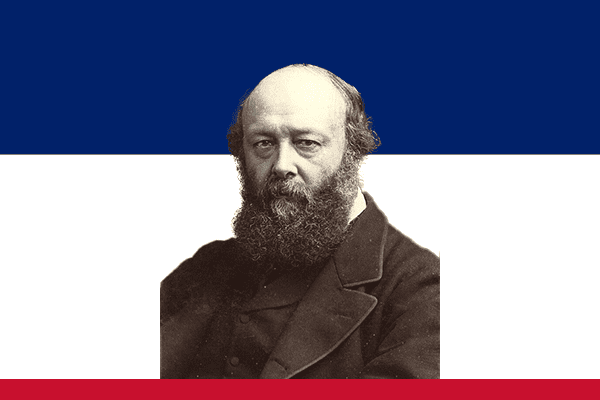
Early Life and Political Rise
Robert Arthur Talbot Gascoyne-Cecil was born on 3 February 1830 into an aristocratic and politically powerful family. He studied at Eton and later at Christ Church, Oxford. Because of poor health and personal struggles during his youth, he developed a serious and thoughtful personality. He first entered Parliament in 1854 as a Conservative Member of Parliament. At that time, he used the courtesy title Lord Robert Cecil.
He quickly gained a reputation for sharp debate and strong opinions. Salisbury opposed some popular reforms of the time because he believed rapid political change could weaken the traditional balance of British society. In 1868, after the death of his father, he inherited the title of Marquess of Salisbury and moved to the House of Lords. This change did not reduce his political influence. Instead, it increased his importance inside the Conservative Party.
First Period as Prime Minister
Salisbury first became Prime Minister in 1885 after the fall of William Ewart Gladstone’s government. His first term was short, lasting until 1886. During this time, he tried to strengthen Conservative influence and prepare for future elections. Although his first government did not last long, it helped establish him as a national leader.
Second and Most Important Term
Salisbury returned as Prime Minister in 1886 and remained in office until 1892. This second term was the most significant period of his leadership. He worked closely with the Liberal Unionists, who opposed Irish Home Rule. Together, they formed a powerful alliance against Gladstone’s plans for Irish self-government.
During this period, Salisbury focused on imperial expansion and foreign policy. He also served as Foreign Secretary for much of his career, which gave him direct control over international matters. He carefully managed Britain’s relations with European powers such as France, Germany, and Russia. His diplomatic style was cautious but firm. Historians often describe his approach as “splendid isolation,” because he avoided unnecessary permanent alliances while protecting British interests.
At home, his government introduced reforms in local government and housing. The Local Government Act of 1888 created elected county councils in England and Wales. This reform modernized local administration and improved governance.
Third Term and Later Years
Salisbury became Prime Minister again in 1895 and served until 1902. This final term confirmed his place as a dominant figure in British politics. Britain faced major imperial challenges during these years, including tensions in Africa and the Second Boer War in South Africa. The war damaged Britain’s image in some parts of the world, but Salisbury remained committed to defending imperial interests.
His government also dealt with issues such as education, military reform, and public administration. Although he was often seen as a traditional aristocrat, he understood the need for careful reform to preserve political stability. In 1902, due to declining health and old age, he resigned from office. His nephew, Arthur Balfour, succeeded him as Prime Minister.
Legacy
Robert Gascoyne-Cecil died on 22 August 1903. Historians remember him as a brilliant Conservative leader, a master of foreign policy, and one of Britain’s last great aristocratic prime ministers. He guided Britain through an age of empire, political rivalry, and social change. His leadership strengthened the Conservative Party and shaped British diplomacy for decades. Today, he remains an important figure in the history of the United Kingdom.