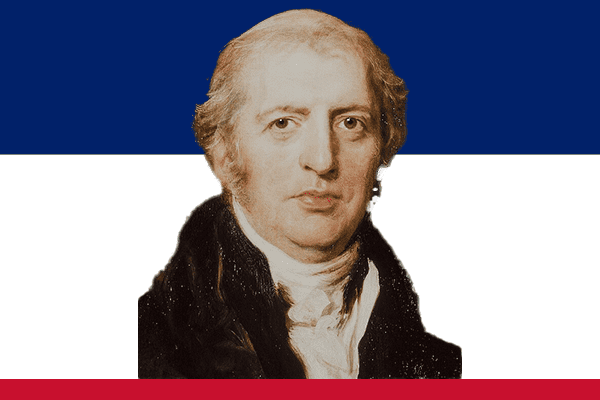
Mr. Robert Jenkinson
In Office: 8 June 1812 – 9 April 1827
Political Party: Tory
Home State: Mayfair
Lifespan: 1770–1828
Country: United Kingdom
Image credits available here.
Early Life and Political Career
Robert Jenkinson was born on 7 June 1770 in London, England. He came from an influential political family. His father, Charles Jenkinson, served as a prominent government minister and later became the first Earl of Liverpool. Because of his family’s position, Robert gained early exposure to politics and government administration.
Jenkinson studied at Charterhouse School and later attended Christ Church, Oxford. After completing his education, he entered politics in the 1790s. He first served as a Member of Parliament and quickly developed strong connections with leading political figures of the time. His loyalty to the Tory Party and his administrative skills helped him gain important government positions.
During the early stages of his career, Jenkinson worked in several government departments. He served as Foreign Secretary and later as Home Secretary. In these roles he focused on maintaining national security and controlling political unrest that spread across Europe after the French Revolution.
Becoming Prime Minister
Robert Jenkinson became Prime Minister in 1812 after the assassination of Prime Minister Spencer Perceval. At the time, Britain faced enormous challenges. The country fought against Napoleon’s forces in Europe, while economic difficulties affected many British citizens.
Jenkinson took responsibility for leading the government during this difficult period. He worked closely with military leaders such as the Duke of Wellington, whose victories against Napoleon helped strengthen Britain’s global position. Under Jenkinson’s leadership, Britain played a key role in defeating Napoleon and restoring stability to Europe.
Domestic Policies and Challenges
After the end of the Napoleonic Wars in 1815, Britain experienced serious economic problems. Many soldiers returned home from war and struggled to find employment. Food prices rose and protests began in several parts of the country.
Jenkinson attempted to maintain order while protecting the existing political system. His government introduced measures to control radical political movements and limit large public demonstrations. Critics accused his administration of suppressing political freedom, but supporters believed these policies prevented widespread unrest.
One of the most controversial events during his government was the Peterloo Massacre of 1819, when authorities dispersed a large reform demonstration in Manchester. The incident increased public debate about political reform and representation in Parliament.
Leadership Style and Achievements
Robert Jenkinson governed through careful negotiation and compromise. He preferred steady administration over dramatic political change. Many historians credit him with maintaining stability during a time when revolutionary movements affected several European countries.
His government also supported economic recovery after the war. Trade gradually improved and industrial growth continued across Britain. Although his administration resisted major democratic reforms, it helped preserve political order during a challenging historical period.
Jenkinson’s long tenure as Prime Minister demonstrated his ability to manage complex political alliances within Parliament. His leadership maintained unity within the Tory Party and ensured continuity in government policies.
Later Life and Legacy
In 1827 Robert Jenkinson suffered a severe stroke that forced him to resign as Prime Minister. After leaving office, he withdrew from public life due to declining health. He died on 4 December 1828.
Historians continue to debate his legacy. Some view him as a conservative leader who resisted political reform, while others recognize his role in maintaining stability after years of war. Regardless of these differing interpretations, his long service as Prime Minister placed him among the most influential British leaders of the early nineteenth century.