Mr. Robert Walpole
In Office: 3 April 1721 – 11 February 1742
Political Party: Whig
Home State: Houghton
Lifespan: 1676–1745
Country: United Kingdom
Image credits available here.
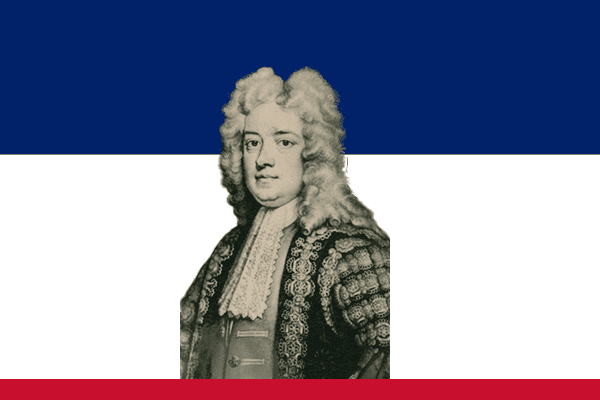
Early Life and Education
Robert Walpole was born on 26 August 1676 in Houghton, Norfolk, England. He came from a wealthy and influential family of landowners. His father, Colonel Robert Walpole, served as a member of Parliament and encouraged his son to pursue a political career. Walpole received his early education at Eton College, one of England’s most prestigious schools. Later, he attended King’s College, Cambridge, where he studied classical subjects.
After his father’s death, Walpole inherited the family estate and gained social influence in Norfolk. This inheritance strengthened his financial independence and helped him establish connections in politics. His background and education prepared him for a successful career in public service.
Entry into Politics
In 1701, Walpole entered Parliament as a member of the Whig Party, representing the borough of Castle Rising. Shortly afterward, he became the representative for King’s Lynn. He quickly earned a reputation as a skilled administrator and effective speaker. His political abilities attracted the attention of leading Whig politicians.
During the reign of Queen Anne, Walpole served in several government positions. He worked as Secretary at War and later as Treasurer of the Navy. These roles allowed him to demonstrate his administrative talent and financial expertise. However, political rivalries led to his temporary fall from power when the Tory Party gained influence.
Rise to Power
Walpole’s political fortunes improved after the accession of George I in 1714. The new king supported the Whig Party, which allowed Walpole to return to government. His most significant opportunity came after the financial crisis known as the South Sea Bubble. The collapse of the South Sea Company caused widespread economic panic and damaged public trust in the government.
Walpole took charge of restoring financial stability. He reorganized government finances and introduced policies that rebuilt confidence in the economy. His successful management of the crisis earned him the trust of the king and Parliament. In 1721, he became First Lord of the Treasury and Chancellor of the Exchequer, positions that effectively made him the head of government.
Leadership as Prime Minister
From 1721 to 1742, Walpole led the British government with remarkable political skill. He focused on maintaining peace in Europe and promoting economic growth at home. His government avoided major wars, which allowed Britain to strengthen its trade and financial systems.
Walpole also developed strong control over Parliament. He built alliances within the Whig Party and secured support from influential members. Through careful negotiation and political management, he maintained a stable majority in the House of Commons.
Critics often accused Walpole of using patronage and political influence to maintain power. Nevertheless, his methods helped create a stable political system during a period of significant change. His leadership demonstrated how the prime minister could coordinate government policy and manage parliamentary support.
Later Years and Resignation
By the late 1730s, opposition to Walpole’s government increased. Political rivals criticized his policies and accused him of corruption. Public dissatisfaction grew, especially after Britain became involved in the War of Jenkins’ Ear against Spain.
In 1742, Walpole resigned after losing support in Parliament. King George II rewarded him with the title Earl of Orford in recognition of his long service. After leaving office, he retired to his estate in Houghton Hall, where he spent his remaining years.
Legacy
Robert Walpole died on 18 March 1745, but his influence on British politics remained significant. Historians consider him the first true Prime Minister of Great Britain because he established many practices associated with the role. He strengthened the relationship between the government and Parliament and demonstrated the importance of stable leadership.