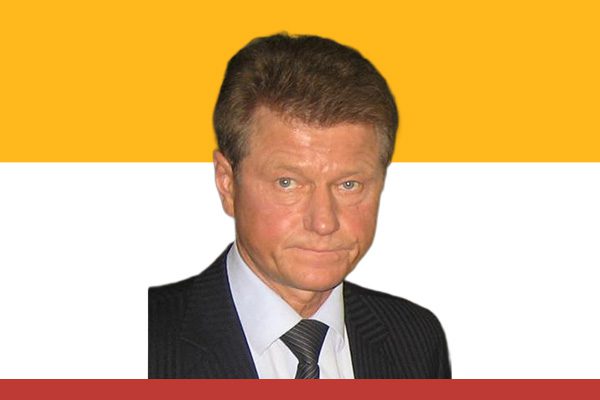
Early Life and Education
Rolandas Paksas was born on June 10, 1956, in the city of Telšiai, Lithuania, which was then part of the Soviet Union. He developed an interest in aviation at a young age. After completing his school education, he studied civil engineering at the Vilnius Civil Engineering Institute. Alongside his studies, he trained as a pilot and later became a skilled aerobatic pilot.
His achievements in aviation brought him recognition across Lithuania. He participated in several national and international flying competitions and earned respect for his abilities as a professional pilot.
Entry into Politics
After Lithuania regained its independence in 1990, Paksas became involved in public affairs and politics. He joined political movements that aimed to strengthen the country’s democratic institutions and economic development. His leadership skills and public popularity helped him rise quickly in political life.
In 1997, he became the Mayor of Vilnius, the capital city of Lithuania. During his tenure, he worked to improve urban infrastructure and public services. His efforts increased his visibility and support among citizens.
Prime Minister of Lithuania
Rolandas Paksas served as Prime Minister of Lithuania twice. His first term began in 1999, and he later returned to the position in 2000. As Prime Minister, he focused on economic reforms, government efficiency, and Lithuania’s integration into European and international organizations.
Although his terms were relatively short, he gained a reputation as a determined leader who was willing to challenge established political interests. His decisions sometimes created disagreements within political coalitions, leading to changes in government leadership.
Presidency
In 2003, Paksas won the presidential election and became the President of Lithuania. His victory surprised many political observers because he defeated the incumbent president. During his campaign, he promised political reform, transparency, and greater attention to ordinary citizens.
As President, he represented Lithuania on the international stage and supported the country’s efforts to strengthen its relationships with European and transatlantic partners. He also advocated for economic growth and social development.
Impeachment and Removal from Office
The most controversial period of Paksas’s career occurred during his presidency. Allegations emerged regarding his connections with certain business figures and concerns about national security matters. Investigations were conducted by Lithuanian authorities, and the parliament examined the accusations.
In 2004, the Lithuanian Parliament voted to impeach Rolandas Paksas. As a result, he was removed from the presidency. This event attracted international attention because it was the first successful impeachment of a European president. The case became an important example of constitutional accountability and the rule of law in a democratic society.
Later Political Career
Despite his impeachment, Paksas remained active in politics. He led political parties, participated in elections, and continued to influence public debates in Lithuania. He also served as a member of the European Parliament, where he represented Lithuanian interests and worked on various European issues.
His supporters viewed him as a reform-minded politician, while critics continued to debate the controversies surrounding his presidency.
Legacy
Rolandas Paksas occupies a unique place in Lithuanian history. His career includes achievements in aviation, local government, national leadership, and European politics. While his presidency ended in impeachment, his impact on Lithuania’s political development remains significant. Historians and political analysts continue to study his career as an example of both political success and the challenges of democratic governance. Today, he remains one of the most discussed figures in modern Lithuanian politics.