Mr. Ruud Lubbers
In Office: 4 November 1982 – 22 August 1994
Political Party: Christian Democratic Appeal
Home State: Geldrop
Lifespan: 1939–2018
Country: Netherland
Image credits available here.
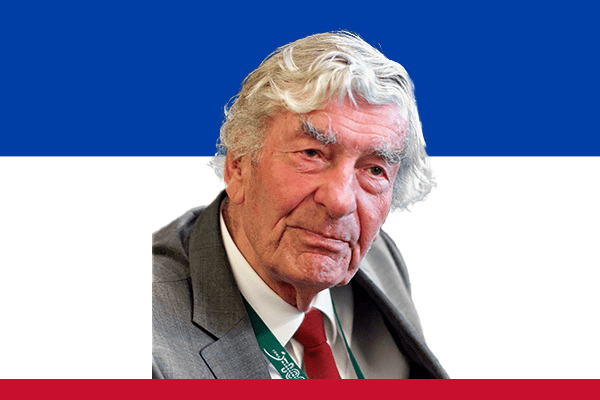
Early Life and Education
Ruud Lubbers was born on May 7, 1939, in Rotterdam. He grew up in a family that was actively engaged in business and public life. He pursued higher education at the Erasmus University Rotterdam, where he studied economics. His academic background provided him with a strong understanding of financial and economic policies, which later shaped his political career.
Entry into Politics
Lubbers entered politics through the Christian Democratic Appeal (CDA). He quickly gained recognition for his analytical skills and practical approach. In 1973, he became Minister of Economic Affairs. In this role, he focused on industrial policy and economic restructuring, which prepared him for higher leadership responsibilities.
Prime Ministership (1982–1994)
Ruud Lubbers became Prime Minister in 1982 at a time when the Netherlands faced economic recession, high unemployment, and rising public debt. He took decisive action by implementing economic reforms aimed at reducing government spending and encouraging private sector growth. He worked closely with trade unions and employers to create agreements that stabilized wages and improved employment.
Lubbers promoted fiscal discipline and reduced the budget deficit. His policies helped restore economic stability and led to gradual growth. He also strengthened the Netherlands’ position within the European Union by supporting deeper integration and cooperation among member states.
Leadership Style and Achievements
Lubbers demonstrated strong leadership by building consensus among diverse political groups. He encouraged dialogue and cooperation, which helped him maintain stable coalition governments. His government introduced reforms in social security and public administration, making them more efficient and sustainable.
Internationally, Lubbers played an active role in global diplomacy. He supported initiatives related to environmental protection and international peace. His pragmatic approach earned him respect both domestically and abroad.
Later Career
After leaving office in 1994, Lubbers continued to contribute to international affairs. He served as the United Nations High Commissioner for Refugees from 2001 to 2005. In this position, he addressed global refugee crises and advocated for humanitarian support.
Legacy
Ruud Lubbers left a lasting legacy in Dutch politics. He transformed the Netherlands’ economy through disciplined policies and collaborative leadership. His long tenure demonstrated stability and effective governance. Many consider him one of the most successful Prime Ministers in Dutch history.
Conclusion
Ruud Lubbers played a crucial role in shaping modern Dutch society. Through his economic reforms, international engagement, and leadership skills, he guided the Netherlands toward stability and growth. His contributions continue to influence political and economic policies in the country.