Mr. S. W. R. D. Bandaranaike
In Office: 12 April 1956 – 26 September 1959
Political Party: United National Party
Home State: Sri Lanka
Lifespan: 1899–1959
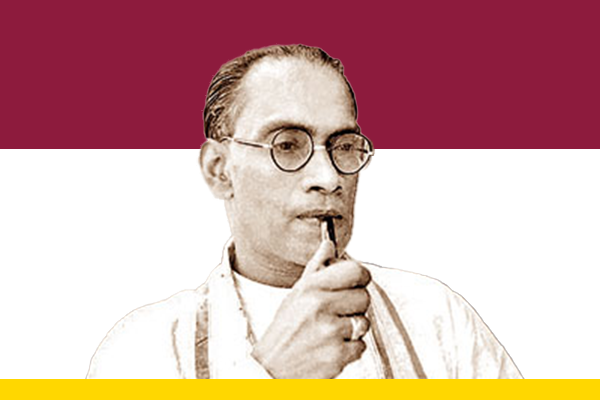
Early Life and Education
Solomon West Ridgeway Dias Bandaranaike was born on January 8, 1899, in Colombo, British Ceylon, into a wealthy and aristocratic Sinhalese Christian family. His father, Sir Solomon Dias Bandaranaike, held a prestigious position in colonial society as a member of the Legislative Council. Young Bandaranaike was educated at S. Thomas’ College, Mount Lavinia, where he excelled in academics and oratory. He later attended Christ Church, Oxford University, where he read classics and law and became the President of the Oxford Union in 1923—an early indicator of his leadership and rhetorical talent.
Entry into Politics
After returning to Ceylon, Bandaranaike became a barrister and entered politics in the 1930s. In 1931, he was elected to the State Council under the Donoughmore Constitution. His early political ideology was shaped by liberalism, but over time he leaned toward nationalism. Initially a prominent member of the United National Party (UNP), he served as Minister of Local Administration in the post-independence government of D. S. Senanayake. However, he grew increasingly dissatisfied with the UNP’s Westernized approach and lack of emphasis on Sinhala Buddhist culture and rural upliftment.
Formation of SLFP and Rise to Power
In 1951, Bandaranaike left the UNP and founded the Sri Lanka Freedom Party (SLFP). His political strategy focused on rallying the Sinhalese Buddhist majority by promoting cultural pride, social welfare, and national identity. In the 1956 general elections, his party won a sweeping victory under the banner of a broad coalition called the Mahajana Eksath Peramuna (People’s United Front). Bandaranaike became the fourth Prime Minister of Ceylon.
Policies and Achievements
As Prime Minister, Bandaranaike initiated significant policy shifts, emphasizing nationalism and socialism. His government introduced the “Sinhala Only Act,” which replaced English with Sinhala as the sole official language. This decision was immensely popular among the Sinhalese majority but provoked strong opposition from the Tamil minority and sowed the seeds of future ethnic strife.
He also pursued a policy of non-alignment in foreign affairs, strengthened ties with Asian nations, and nationalized several key sectors such as transport and education. His emphasis on Buddhist values, rural development, and cultural revival reshaped Ceylon’s political and social landscape.
Assassination and Aftermath
On September 25, 1959, Bandaranaike was shot by a Buddhist monk at his residence, part of a wider conspiracy involving both religious and political figures. He died the next day, on September 26, plunging the country into mourning and political uncertainty. His untimely death left many of his reforms incomplete and his legacy both powerful and polarizing.
Legacy
S. W. R. D. Bandaranaike remains a towering figure in Sri Lankan history. He is credited with empowering the Sinhala Buddhist majority and laying the foundation for indigenous governance. However, his policies also deepened ethnic divisions that would later escalate into prolonged conflict. His wife, Sirimavo Bandaranaike, succeeded him and became the world’s first female Prime Minister, continuing the family’s enduring political legacy.