Mr. Sardar Shah Mahmud Khan
In Office: 9 May 1946 – 7 September 1953
Political Party: Wesh Zalmain
Home State: Dehradun
Lifespan: 1890–1959
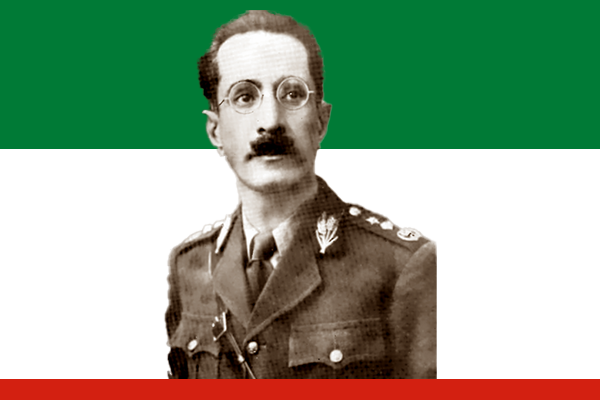
Early Life and Family Background
Sardar Shah Mahmud Khan was born in the late 19th century into Afghanistan’s influential Barakzai dynasty. As the younger brother of King Mohammad Nadir Shah and uncle of King Zahir Shah, he belonged to the inner royal circle that shaped Afghan politics throughout much of the 20th century. He studied traditional Afghan governance and military affairs and held several key administrative and military posts before reaching the country’s highest executive office.
Becoming Prime Minister
In 1946, King Zahir Shah appointed Shah Mahmud Khan as Prime Minister after Mohammad Hashim Khan, his elder brother, resigned. His rise marked a subtle shift away from his predecessor’s rigid conservatism toward a more reform-minded approach. He served until 1953 and oversaw a time of relative political and social openness.
Political Reforms and the Liberal Period
During his early years as Prime Minister, Shah Mahmud Khan introduced a brief period of political openness, often referred to as the “liberal decade.” He permitted the 1949 parliamentary elections, which became the most open and competitive in Afghanistan’s history up to that point. Political parties began to form informally, and journalists experienced more freedom, which encouraged vibrant public debate.
However, critics increasingly challenged the monarchy and government policies during this liberal phase. In response to mounting dissent, Shah Mahmud Khan gradually rolled back many reforms in the early 1950s. He reinstated press restrictions and narrowed political freedoms. Despite reversing course, he left behind a rare moment of limited political engagement in Afghan history.
Economic and Foreign Policy Efforts
Shah Mahmud Khan launched modest economic reforms, focusing on agriculture, education, and infrastructure. Although he made efforts to stimulate development, his government struggled with limited resources and lacked a bold economic vision, which slowed progress. On the international front, he upheld Afghanistan’s traditional policy of neutrality. He carefully managed diplomatic relations with both the Soviet Union and Western nations and laid the foundation for future foreign aid partnerships that would shape Afghanistan’s Cold War-era development.
Resignation and Retirement
In 1953, Shah Mahmud Khan handed over power to his nephew Mohammad Daoud Khan, who took a more aggressive and modernizing approach to governance. After stepping down, Shah Mahmud Khan retired from public life and lived quietly until his death. While later leaders reversed his early reforms, many continued to respect him as a moderate and capable figure.
Legacy
Historians remember Sardar Shah Mahmud Khan as a transitional leader—less authoritarian than his predecessor but too cautious to implement lasting reform. He briefly opened space for political participation, free speech, and parliamentary activity. Although this liberal window closed quickly, it offered a rare glimpse into the potential for a more democratic Afghanistan. His legacy rests in his effort—though limited—to balance the country’s traditions with its growing appetite for modernization.