Mr. Shehbaz Sharif
Assumed Office: 04 March 2024 – Incumbent
Last Term: 11 April 2022 – 13 August 2023
Political Party: The Pakistan Muslim Leage
Home State: Lahore
Lifespan: born 1951
Country: Pakistan
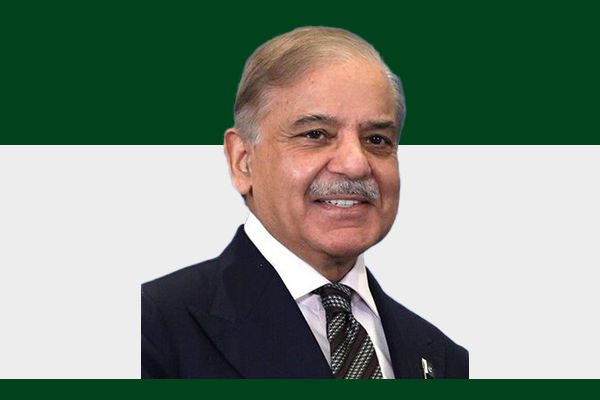
Current Role as Prime Minister
Mian Muhammad Shehbaz Sharif, born on 23 September 1951, is a Pakistani politician and businessman currently serving as the 20th Prime Minister of Pakistan since March 2024. He previously held the same office from April 2022 to August 2023. He also serves as the president of the Pakistan Muslim League (N) (PML-N). Notably, Shehbaz has served three terms as Chief Minister of Punjab, making him the longest-serving individual in that role.
Early Political Career
Shehbaz began his political journey in 1988 when he was elected to the Provincial Assembly of Punjab. In 1990, he gained a seat in the National Assembly of Pakistan. He returned to the Punjab Assembly in 1993 and was appointed as the leader of the opposition.
First Tenure as Chief Minister
On 20 February 1997, Shehbaz became Chief Minister of Punjab for the first time. However, his tenure was interrupted by the 1999 military coup, after which he and his family went into self-imposed exile in Saudi Arabia. They returned to Pakistan in 2007.
Return to Power in Punjab
Following the PML-N’s success in the 2008 general elections in Punjab, Shehbaz resumed his role as Chief Minister for a second term. He was re-elected for a third term in the 2013 elections and remained in office until his party’s defeat in 2018.
Development Initiatives in Punjab
During his leadership in Punjab, Shehbaz Sharif prioritized development projects, particularly in the transport sector of Lahore, contributing significantly to urban infrastructure improvements.
Rise in National Politics
After Nawaz Sharif was disqualified from office due to the Panama Papers case, Shehbaz was named president of the Pakistan Muslim League-N. Following the 2018 general elections, he took up the role of Leader of the Opposition in the National Assembly.
Shehbaz Sharif re-elected as Prime Minister
On 3 March 2024, Shehbaz Sharif was re-elected as the Prime Minister of Pakistan for a second term, securing 201 votes against PTI-backed Omar Ayub Khan, who received 92 votes. He formed a minority government with the support of the Pakistan People’s Party, Muttahida Qaumi Movement – Pakistan, Pakistan Muslim League (Q), Istehkam-e-Pakistan Party, and the Balochistan Awami Party. Imran Khan criticized the coalition, calling it a “daylight robbery” and warned against forming a government based on “stolen votes.”
International engagement at the 2024 SCO Summit
During his second tenure, Pakistan hosted the 2024 Shanghai Cooperation Organisation (SCO) summit. Shehbaz Sharif engaged in discussions on regional development and cooperation with India and other member nations.
Political moves and constitutional changes
Sharif’s administration attempted to ban the Pakistan Tehreek-e-Insaf (PTI), the largest political party in the country. The government also launched Operation Azm-e-Istehkam and proposed constitutional amendments to reform the judiciary. Opposition groups accused the administration of using coercive methods, including the alleged abduction of their members, to support these changes.
Ongoing economic and public unrest
Public protests continued amid growing economic pressure. Conditions linked to the International Monetary Fund led to increased taxation, while inflation outpaced stagnant wages. This caused a decline in purchasing power and widespread frustration.
Social media restrictions and internet firewall
The government maintained the unofficial ban on X (formerly Twitter), initially imposed by the caretaker government. A $300 million internet firewall was introduced to block content labeled as propaganda. The firewall faced backlash for censorship and further deteriorated internet quality, negatively impacting businesses.
Crackdown on PTI protests
In November 2024, Shehbaz Sharif ordered action against the PTI-led “Final Call” protests, intensifying political tensions across the country.