Mr. Sidney Holland
In Office: 13 December 1949 – 20 September 1957
Political party: National
Home State: Greendale
Lifespan: 1893–1961
Country: New Zealand
Image credits available here.
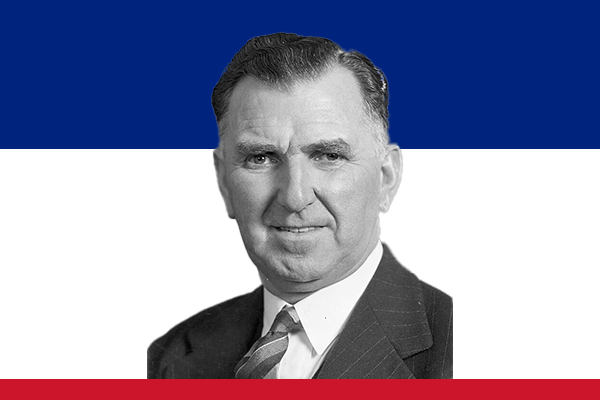
Sidney Holland: Transforming New Zealand Politics
Sidney Holland, born on 18 October 1893 in Greendale, New Zealand, emerged as a pivotal figure in New Zealand politics. Educated locally, he joined the Reform Party, where he honed his skills in leadership and policy-making. Holland later became the leader of the National Party in 1940, guiding it through challenging times.
Holland’s tenure as Prime Minister from 1949 to 1957 marked a period of significant social and economic reform. He actively pursued policies that strengthened New Zealand’s economy, improved infrastructure, and reshaped social welfare programs. His government implemented measures to stabilize the labor market, promote industrial growth, and encourage home ownership. Holland personally oversaw initiatives to modernize the nation, ensuring practical solutions addressed pressing issues.
During his leadership, Holland faced major labor strikes, including the 1951 waterfront dispute. He decisively intervened to maintain law and order, demonstrating his commitment to governance and public stability. Holland also strengthened New Zealand’s international relations, supporting alliances such as ANZUS, which contributed to national security.
Holland’s political style emphasized efficiency, pragmatism, and firm leadership. He inspired party loyalty and public confidence, leaving a legacy of a modernized, resilient New Zealand. He retired from office in 1957 and passed away in 1961, remembered as a Prime Minister who actively shaped the nation’s mid-20th-century political landscape.
Legacy and Impact
Both Sidney Holland and George Savage exemplified active, engaged leadership. Holland’s tenure transformed New Zealand’s economy, labor policies, and international standing, while Savage contributed to foundational reforms and effective governance. Together, they influenced political culture, emphasizing strong leadership, ethical practice, and commitment to public service.
Their legacies continue to inform New Zealand’s political landscape. Modern leaders often draw lessons from Holland’s decisive policymaking and Savage’s dedication to practical governance. These Prime Ministers demonstrated that leadership involves both immediate action and long-term vision.
Conclusion
Sidney Holland and George Savage shaped New Zealand politics through decisive action, ethical leadership, and commitment to public service. Holland modernized the nation’s infrastructure, economy, and social systems, while Savage influenced key reforms and governance practices. Their combined contributions reflect the essence of active political leadership and remain a benchmark for future leaders.