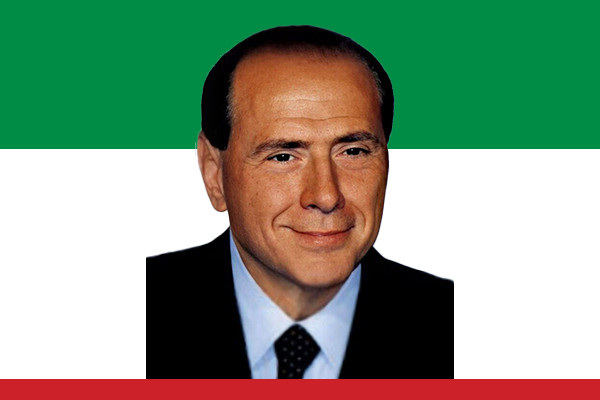
Prime Minister Silvio Berlusconi: A Controversial Political Icon
Silvio Berlusconi, one of Italy’s most prominent and controversial political figures, actively shaped Italian politics and media for decades. Born on September 29, 1936, in Milan, Berlusconi entered business and media with remarkable energy before actively pursuing a political career. He actively founded the center-right party Forza Italia, which became a central force in Italian governance.
Early Career and Business Success
Before entering politics, Berlusconi actively built a business empire in construction, media, and broadcasting. He founded Mediaset, Italy’s largest private television network, and actively expanded it, influencing Italian media and public opinion. His business acumen and charismatic persona helped him gain public recognition, laying the foundation for his political ambitions.
Founding Forza Italia
In 1994, Berlusconi actively founded Forza Italia to participate in national elections and challenge Italy’s traditional political parties. He actively campaigned on a platform of economic reform, tax reduction, and modernization of public administration. His dynamic public appearances and media-savvy strategies helped him secure widespread support. Berlusconi actively capitalized on his media influence, shaping public discourse and rallying voters to his cause.
Tenure as Prime Minister
Silvio Berlusconi served as Italy’s Prime Minister in multiple terms: 1994–1995, 2001–2006, and 2008–2011. During his terms, he actively implemented policies aimed at economic reform, tax cuts, and labor market flexibility. He actively promoted infrastructure projects, supported privatization initiatives, and sought to stimulate investment in Italy’s economy.
Berlusconi actively pursued Italy’s international interests, engaging with European Union leaders, strengthening Italy’s transatlantic relationships, and promoting Italy’s business environment abroad. He actively negotiated in European forums and global summits, aiming to enhance Italy’s influence on the world stage.
Media Influence and Political Strategy
Berlusconi actively leveraged his media holdings to communicate directly with the public, a strategy that redefined political campaigning in Italy. He actively used television, advertisements, and interviews to present his policies and respond to critics. His media presence helped him maintain a strong public image, even during periods of political and legal challenges.
Controversies and Legal Challenges
Throughout his political career, Berlusconi actively faced legal issues, including accusations of corruption, tax fraud, and scandals related to personal conduct. He actively defended himself in courts and the media, framing these challenges as politically motivated attacks. Despite controversies, he actively retained a dedicated voter base, demonstrating his resilience and influence in Italian politics.
Legacy and Impact
Silvio Berlusconi actively left a profound impact on Italian politics, media, and public life. He actively reshaped political campaigning, merged media influence with politics, and inspired both admiration and criticism across Italy and abroad. His tenure reflects a combination of entrepreneurial energy, political ambition, and a controversial approach to governance. Even after stepping down, he actively engaged in politics, mentoring younger leaders and influencing policy debates through Forza Italia.
Silvio Berlusconi’s political journey demonstrates bold leadership, media-driven strategies, and enduring influence in Italy. From founding Forza Italia to serving multiple terms as Prime Minister, he actively shaped Italy’s policies, media landscape, and international presence, leaving a complex and lasting legacy.