Mr. Tajuddin Ahmad
In Office: 17 April 1971 – 12 January 1972
Political Party: Bangladesh Awami League
Home State: Kapasia
Lifespan: 1925–1975
Country: Bangladesh
Image credits available here.
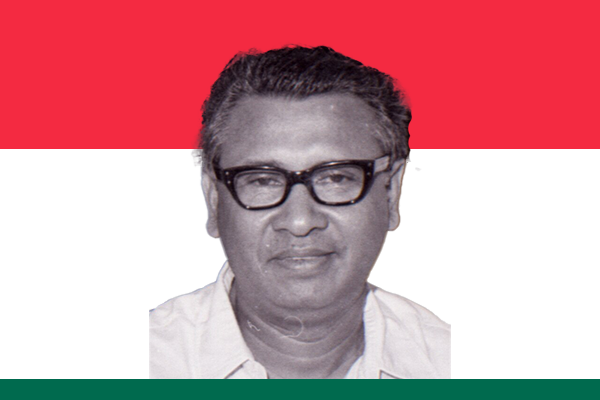
Early Life and Political Awakening
Tajuddin Ahmad was born on July 23, 1925, in Kapasia, Gazipur. He grew up in a politically aware family that encouraged him to develop strong social values. He studied at Dhaka College and later at the University of Dhaka, where he became deeply involved in the student political movement. His participation in protests and political forums strengthened his commitment to justice and national identity.
Rise in the Awami League
Tajuddin Ahmad joined the Awami Muslim League in the late 1940s, a decision that shaped his lifelong political journey. He worked closely with Sheikh Mujibur Rahman and quickly established himself as a disciplined, principled, and strategic leader. He took part in the Language Movement of 1952, advocating for the recognition of Bangla as a state language. His dedication elevated him to leadership positions within the party.
Role in the Six-Point Movement
During the 1960s, Tajuddin Ahmad played a vital role in the Six-Point Movement, which demanded autonomy for East Pakistan. He campaigned across the region, organized meetings, and explained the political implications to the public. His clear communication and sharp political insight helped the movement gain massive support. He defended the Six Points as the foundation for self-determination and economic justice.
Leadership During the Liberation War
Tajuddin Ahmad demonstrated extraordinary leadership during the 1971 Liberation War. When the Pakistan Army launched Operation Searchlight, he took immediate action to ensure political continuity. He traveled to India to secure support and worked with international allies to globalize Bangladesh’s cause.
On April 10, 1971, he formed the Provisional Government of Bangladesh and assumed the role of the first Prime Minister. He directed administrative operations, guided military strategy, and coordinated the Mukti Bahini’s efforts. His leadership kept the freedom struggle unified at a critical moment. He balanced diplomacy with military planning, ensuring that Bangladesh’s fight for independence stayed strong and organized.
Post-Independence Challenges
After Bangladesh achieved independence in December 1971, Tajuddin Ahmad continued to serve as Prime Minister. He focused on rebuilding a war-torn nation facing shortages of food, infrastructure, and basic services. He introduced policies to stabilize the economy, restore governance, and support millions of refugees returning home.
He worked tirelessly to create institutional frameworks for the new country. He collaborated with international partners to secure recognition, aid, and investment. His disciplined approach brought structure to the new administration, while his honesty and integrity earned him respect across society.
Political Strain and Resignation
Despite his significant contributions, Tajuddin Ahmad faced political tensions within the Awami League. Disagreements over policy direction and administrative decisions increased over time. In 1974, he resigned from his position as Finance Minister, marking a turning point in his political career.
Even after stepping down, he continued to express concern over the nation’s stability and political environment. He supported democratic principles and called for unity during the country’s difficult transitions.
Tragic End in 1975
Following the assassination of Sheikh Mujibur Rahman in August 1975, Tajuddin Ahmad faced severe political persecution. The authorities detained him and three other senior leaders. On November 3, 1975, assailants murdered him inside Dhaka Central Jail. The event, remembered as the “Jail Killing Day,” marked one of the darkest moments in Bangladesh’s political history.
Legacy and Impact
Tajuddin Ahmad left a lasting legacy as the mastermind behind Bangladesh’s wartime administration and early state-building. His disciplined leadership, strategic thinking, and unwavering loyalty to national ideals shaped the foundation of the country’s governance. Citizens remember him as a symbol of honesty, patriotism, and sacrifice. His contributions continue to inspire political leaders, historians, and generations committed to preserving Bangladesh’s democratic values.