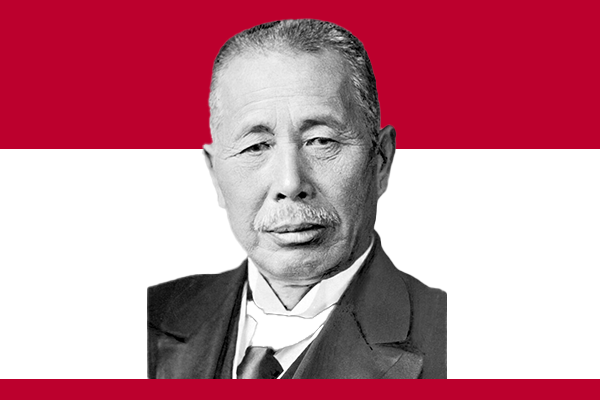
Early Life and Education
Tanaka Giichi was born on June 22, 1864, in Hagi, Yamaguchi Prefecture, Japan. His family, belonging to the samurai class, encouraged him to pursue education and discipline. Tanaka displayed intelligence and determination from an early age. He studied at the Imperial Japanese Army Academy, where he specialized in military strategy and engineering. Later, he attended the Army War College, excelling in his studies and earning recognition as a capable military officer.
Military Career and Rise to Prominence
The Japanese Army appointed Tanaka to several important posts after he graduated. He demonstrated exceptional skills during the Russo-Japanese War (1904–1905), where Japan defeated Russia and established itself as a major power. Tanaka’s performance impressed senior leaders, who promoted him rapidly. He served as Chief of the General Staff and became known for his organizational skills and dedication to modernization.
His military background gave him insights into foreign policy and national security, making him a respected figure in government circles. Tanaka also served as the Minister of War, where he emphasized strengthening Japan’s defense and expanding its influence in Asia.
Entry into Politics and Prime Ministership
Tanaka Giichi officially entered politics when he joined the Rikken Seiyūkai party. His leadership qualities and reputation as a skilled administrator won him support within the party. In 1927, Emperor Hirohito appointed Tanaka as Prime Minister of Japan. He also held the position of Foreign Minister, giving him control over both domestic and international policies.
As Prime Minister, Tanaka focused on economic growth, political stability, and Japan’s role in global affairs. He launched development programs to modernize infrastructure and improve industry. His administration aimed to balance military strength with diplomatic efforts, ensuring Japan’s security while expanding trade relations.
The Tanaka Memorial and Foreign Policy
Historians often associate Tanaka Giichi with the “Tanaka Memorial,” a controversial document that allegedly outlined Japan’s plans for expansion in Asia. Although debates continue about its authenticity, critics accused Tanaka’s government of promoting aggressive imperialism.
In reality, Tanaka emphasized securing Japan’s interests in China and Manchuria, regions rich in resources. He believed economic and political influence in these areas would strengthen Japan’s position globally. His policies reflected Japan’s ambitions but also invited criticism from Western powers and domestic opponents.
Domestic Reforms and Economic Policies
Tanaka’s government introduced several reforms to improve Japan’s economy. He supported modern industries, transportation networks, and agricultural development. His administration encouraged foreign trade and investments, aiming to make Japan economically self-reliant.
Tanaka also worked to strengthen political institutions. He promoted education reforms and encouraged the spread of modern technologies in rural areas. These initiatives improved living standards and contributed to Japan’s modernization during the late 1920s.
Challenges and Resignation
Despite his efforts, Tanaka Giichi faced multiple challenges. Economic difficulties, political opposition, and growing international tensions weakened his administration. The assassination of a Chinese warlord, Zhang Zuolin, by Japanese officers in Manchuria in 1928 created a diplomatic crisis.
Critics blamed Tanaka for failing to control the military, while Emperor Hirohito expressed dissatisfaction with his handling of the incident. Facing mounting pressure, Tanaka resigned in 1929, ending his term as Prime Minister.
Legacy and Death
Tanaka Giichi passed away on September 29, 1929, shortly after leaving office. People remembered him as a leader who combined military discipline with political ambition. His policies shaped Japan’s path in the early 20th century, influencing both domestic development and foreign relations.
Although controversies surrounded his tenure, historians recognize Tanaka’s role in Japan’s modernization and his efforts to strengthen the nation during a turbulent era.