Mr. Tancredo Neves
In Office: 8 September 1961 – 12 July 1962
Political Party: Social Democratic Party
Home State: São João del-Rei
Lifespan: 1910–1985
Country: Brazil
Image credits available here.
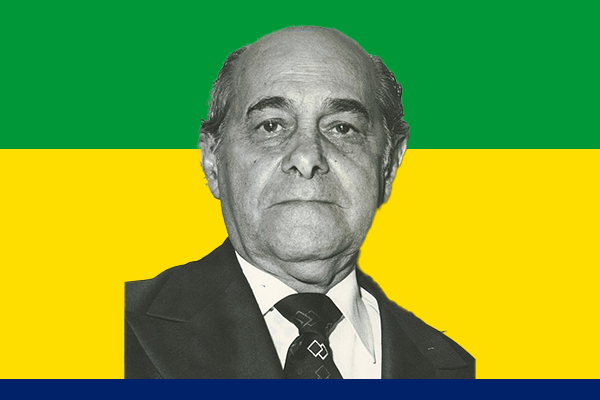
Early Life and Political Rise
Tancredo de Almeida Neves was born on March 4, 1910, in São João del-Rei, Minas Gerais, Brazil. He grew up in a modest family that valued education and public service. From a young age, he showed a deep interest in politics and the welfare of his community. After earning a law degree, Neves began practicing as a lawyer, where he used his knowledge to support social justice and defend citizens’ rights.
In the 1930s, Neves entered politics by joining the Minas Gerais state legislature. He quickly gained respect for his intelligence, humility, and ability to mediate between conflicting interests. His calm yet persuasive leadership style earned him a solid reputation as a unifier.
Key Roles in Brazilian Government
Neves played a vital role during critical periods of Brazil’s history. In 1946, he became a member of the newly formed Brazilian Social Democratic Party (PSD) and was elected to the National Congress. As a legislator, he focused on promoting democracy, economic development, and the modernization of Brazil’s political institutions.
In 1953, President Getúlio Vargas appointed Neves as Minister of Justice and later as Prime Minister under the parliamentary system established in 1961. As Prime Minister, Neves emphasized cooperation and dialogue in governance. He managed to balance conflicting political forces and maintain stability during a turbulent time. His ability to negotiate between conservative and progressive groups earned him widespread admiration.
Champion of Democratic Transition
When Brazil fell under military rule in 1964, Neves opposed dictatorship while avoiding direct confrontation. He continued to advocate for democratic values through moderate, diplomatic strategies. His thoughtful political approach allowed him to remain active even under an authoritarian regime, which banned many of his contemporaries from public life.
By the early 1980s, as Brazil moved toward democratization, Neves became a leading figure in the opposition movement. He joined the Brazilian Democratic Movement Party (PMDB) and helped unify political groups seeking to end military rule. In 1985, the Electoral College chose him as the first civilian president after more than two decades of military control. His election symbolized hope and national reconciliation for millions of Brazilians.
The Presidency That Never Began
Tragically, Neves fell ill before his inauguration and could not assume office. His illness shocked the nation, which had placed immense trust in his leadership. Despite his absence, his vision and principles guided Brazil’s return to democratic governance. Vice President José Sarney carried forward Neves’s mission to rebuild civilian institutions and restore public trust in the government.
Though Neves never served as president, his election marked a turning point in Brazilian history. He became a symbol of the people’s victory over authoritarianism and their determination to embrace freedom and democracy.
Legacy of Leadership and Integrity
Tancredo Neves left a legacy built on honesty, courage, and unity. Brazilians remember him not only for his political achievements but also for his moral strength and commitment to national reconciliation. Streets, schools, and public institutions across Brazil bear his name as a tribute to his contributions.
His leadership inspired future generations to uphold democratic principles and maintain political ethics. Through his calm determination and inclusive vision, Neves proved that true leadership lies in service, not power.
Conclusion
Prime Minister Tancredo Neves transformed Brazil’s political landscape by guiding it from dictatorship to democracy. His steady leadership, persuasive diplomacy, and deep love for his country continue to influence Brazilian politics. Even though he never took the presidential oath, his legacy as a statesman of hope and integrity remains firmly rooted in the heart of Brazil’s democratic journey.