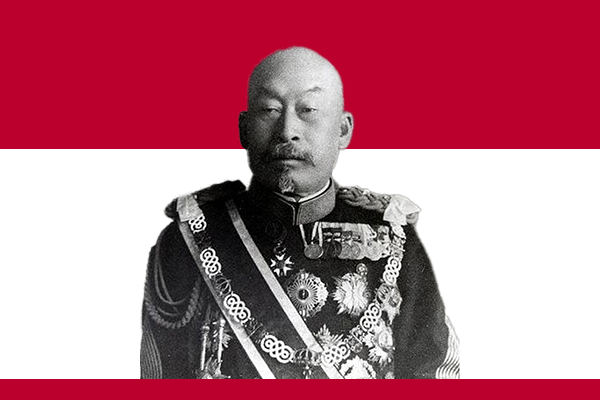
Early Life and Military Career
Terauchi Masatake was born on February 5, 1852, in Chōshū Domain (modern-day Yamaguchi Prefecture), Japan. He grew up during the final years of the Tokugawa shogunate, a time when Japan was undergoing rapid changes. Terauchi studied military science and joined the Imperial Japanese Army in its early years. He quickly advanced through the ranks because of his discipline, leadership qualities, and strategic skills.
As a military officer, Terauchi participated actively in several key conflicts, including the Satsuma Rebellion of 1877, where the new Imperial forces defeated the last samurai uprising. He then received military training in France, which helped him bring modern tactics to the Japanese Army. By the early 1900s, Terauchi had gained a reputation as a skilled and loyal military leader.
Rise to Political Power
The Japanese government appointed Terauchi as the Governor-General of Korea in 1910 after Japan formally annexed Korea. He carried out Japan’s colonial policies and expanded Japan’s influence in the Korean Peninsula. His administration established modern infrastructure, education systems, and industries in Korea, although it also imposed strict colonial control.
Because of his administrative efficiency and loyalty to the Emperor, Terauchi gained the trust of Japan’s political elites. When World War I began in 1914, Japan joined the Allies, aiming to expand its influence in Asia. As Japan’s global role grew, political leaders looked for a strong and experienced figure to guide the country through these changes.
Tenure as Prime Minister
In October 1916, the Emperor appointed Terauchi Masatake as Prime Minister of Japan. He became the head of the Terauchi Cabinet, representing a military-bureaucratic style of governance rather than a party-based one.
As Prime Minister, Terauchi strengthened Japan’s military and economic presence in East Asia. During World War I, Japan seized German territories in China and the Pacific, increasing its power in the region. He also supported industrialization and modern transportation networks within Japan, helping the nation transition toward a modern economy.
Domestic Reforms and Challenges
Terauchi introduced education reforms, encouraged agricultural development, and expanded Japan’s infrastructure. He promoted technical schools to produce skilled workers for Japan’s growing industries.
However, his government also faced criticism for its authoritarian style and lack of parliamentary support. Political parties in Japan wanted more democratic reforms, while Terauchi relied on the military and bureaucracy. This conflict between military-backed cabinets and party politicians defined much of Japan’s politics in the early 20th century.
Later Years and Legacy
In 1918, the Rice Riots erupted across Japan because of rising food prices and economic hardships after World War I. The massive public protests weakened Terauchi’s government, forcing him to resign in September 1918.
After leaving office, Terauchi retired from politics but remained a respected figure because of his military service and leadership during a crucial period in Japanese history. He passed away on November 3, 1919.
Historians remember Terauchi Masatake as a leader who combined military discipline with administrative efficiency. His tenure as Prime Minister marked Japan’s transformation into a modern industrial and regional power, even though his government faced growing demands for democracy.