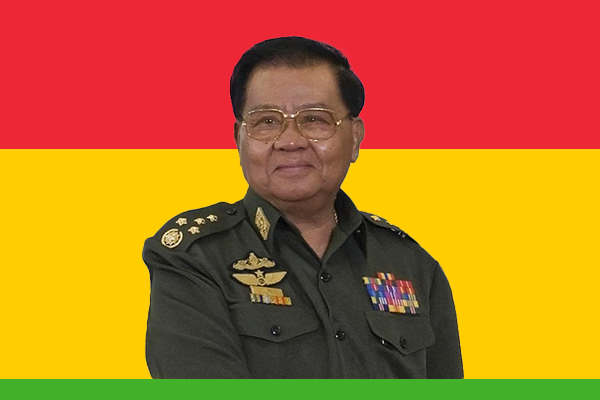
Early Life and Military Career
Than Shwe was born in 1933 in central Myanmar. He chose a military career at a young age and joined the Burmese armed forces, where he steadily rose through the ranks. His discipline, loyalty to the military establishment, and strategic thinking helped him gain the trust of senior commanders. Over time, he emerged as a key figure within the armed forces, positioning himself for future political leadership.
Rise to the Position of Prime Minister
In 1992, Than Shwe assumed the role of Prime Minister after the military government reshuffled its leadership. At the same time, he led the ruling military council, which allowed him to exercise extensive executive and legislative authority. He consolidated power by strengthening military control over state institutions and reducing the influence of political opposition. His leadership marked a shift toward centralized decision-making under military dominance.
Governance and Administrative Policies
Than Shwe governed Myanmar with a strong emphasis on stability and control. He prioritized the authority of the military as the backbone of national unity. His administration implemented policies that tightly regulated political activity, media, and civil society. He believed that strict governance would preserve national integrity and prevent internal conflict. Under his leadership, the government maintained a firm grip on power while limiting democratic participation.
Economic and Social Approach
During Than Shwe’s tenure, Myanmar followed a cautious and controlled economic path. He encouraged limited economic reforms while keeping key industries under state or military influence. His government promoted infrastructure projects and resource development, but economic isolation and international sanctions restricted broader growth. Socially, his administration focused on order and discipline, often at the cost of civil liberties and public dissent.
Foreign Relations and International Standing
Than Shwe shaped Myanmar’s foreign policy with a focus on sovereignty and non-interference. He strengthened ties with neighboring countries and regional partners while resisting pressure from Western nations. His government maintained a defensive stance toward international criticism, particularly regarding human rights and political freedom. This approach led to prolonged diplomatic isolation but reinforced the regime’s control at home.
Transition and Later Years
In the early 2000s, Than Shwe initiated a gradual political transition plan. He stepped down as Prime Minister in 2003 but continued to wield significant influence as the head of the military leadership. Eventually, he retired from public office, leaving behind a political framework that continued to shape Myanmar’s governance. His legacy remained a subject of debate among supporters and critics alike.
Legacy and Historical Significance
Than Shwe’s leadership defined an era of military rule in Myanmar. He strengthened the role of the armed forces in politics and shaped state institutions according to military priorities. While his supporters credit him with maintaining stability, critics highlight the suppression of democratic freedoms under his rule. Regardless of perspective, Than Shwe remains a central figure in understanding Myanmar’s modern political history.