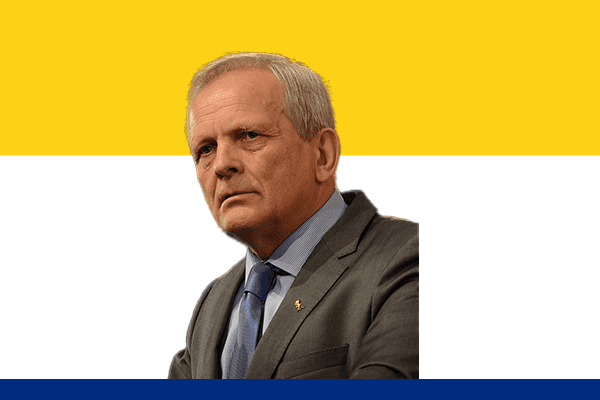
Mr. Theodor Stolojan
In Office: 1 October 1991 – 19 November 1992
Political Party: National Salvation Front
Home State: Târgoviște
Lifespan: born 1943
Country: Romania
Early Life and Background
Theodor Dumitru Stolojan was born on 24 October 1943 in Târgoviște, Romania. He studied economics and built his early career in the financial and administrative sectors. His knowledge of economic planning, budgeting, and public finance helped him gain recognition in government circles. Before becoming Prime Minister, he worked in several important economic roles, where he developed a reputation as a disciplined and capable technocrat. His professional background prepared him well for leadership during a time when Romania needed economic expertise more than ever.
Rise to National Leadership
After the fall of Nicolae Ceaușescu’s communist regime in 1989, Romania entered a period of uncertainty and transformation. The country faced political instability, weak institutions, and serious economic problems. During this period, leaders needed people who understood finance and reform. Theodor Stolojan emerged as one of those reliable figures. He served in important economic posts and gained public trust because of his practical approach. In October 1991, he became the Prime Minister of Romania.
Tenure as Prime Minister of Romania
Theodor Stolojan served as Prime Minister from 16 October 1991 to 19 November 1992. His government worked during a difficult transitional phase. Romania struggled with inflation, shortages, unemployment, and social tension. Stolojan tried to reduce these problems through economic discipline and structural reforms. He supported policies that moved Romania toward a market economy. His administration also worked to improve state finances and encourage greater efficiency in public institutions.
Although the reforms created hardship for some citizens in the short term, many experts believed they were necessary for long-term modernization. Stolojan led with caution and professionalism. He focused more on results than political drama. His style reflected his identity as an economist rather than a traditional populist politician.
Later Political Career
After leaving the office of Prime Minister in 1992, Theodor Stolojan remained active in Romanian public life. He later joined liberal politics and became associated with the National Liberal Party (PNL). Over time, he served in Parliament and continued to influence economic and political debates. He also became known for supporting democratic values, European integration, and responsible governance. Even when he was not serving as Prime Minister, he remained a respected voice in Romanian politics.
Legacy and Historical Importance
Theodor Stolojan’s legacy lies in his calm leadership during one of Romania’s most difficult historical periods. He did not govern in easy times, yet he helped the country continue its transition from communism toward democracy and a market economy. His experience in economics made him especially valuable when Romania needed stability and reform. Historians often remember him as a serious, competent, and reform-minded leader. Though his term was brief, his contribution to Romania’s political and economic transformation remains significant.