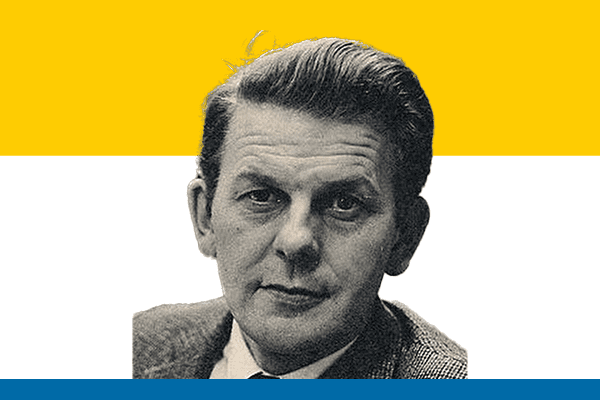
Early Life and Background
Thorbjörn Fälldin was born on April 24, 1926, in Ångermanland, Sweden, into a farming family. He grew up in a rural environment, which strongly influenced his political views and priorities. Instead of pursuing an urban career, he actively chose to work as a farmer, gaining firsthand experience of agricultural life.
He became involved in politics through the Centre Party, which traditionally represented farmers and rural communities. Through dedication and clear principles, he steadily rose within the party ranks. By 1971, he had become the party leader, and he began reshaping its national influence.
Rise to Power
Fälldin led the Centre Party to significant success in the 1976 general elections. He actively campaigned on issues such as environmental protection, opposition to nuclear power, and support for rural communities. His leadership helped unite non-socialist parties, and he formed a coalition government. This victory marked a historic shift, ending over 40 years of Social Democratic rule in Sweden.
As Prime Minister, Fälldin worked with coalition partners despite ideological differences. He actively emphasized cooperation and compromise, which were essential in maintaining the government.
Leadership and Policies
During his time in office, Fälldin focused on decentralization, aiming to reduce the concentration of power in urban centers. He supported policies that strengthened local governance and rural economies. He also actively promoted environmental awareness, which was becoming increasingly important in Sweden.
One of the defining issues of his leadership was nuclear energy. Fälldin strongly opposed nuclear power and took a principled stand, even when it created tension within his coalition. He refused to compromise on this issue, demonstrating political integrity but also contributing to government instability.
Challenges and Resignation
Fälldin faced significant challenges during his tenure. Disagreements over nuclear policy caused friction among coalition partners. In 1978, these conflicts led him to resign as Prime Minister. However, he did not withdraw from politics. Instead, he actively continued his leadership within the Centre Party.
He returned as Prime Minister in 1979 after another election victory, forming a new coalition government. Despite ongoing challenges, he worked to maintain stability and advance his policy goals. His second term lasted until 1982, when the Social Democrats regained power.
Later Life and Legacy
After leaving office, Fälldin stepped back from active politics but remained a respected figure in Sweden. He returned to his roots, living a quiet life connected to farming and rural traditions.
Fälldin’s legacy lies in his role as a bridge between traditional rural values and modern political challenges. He actively championed environmental concerns before they became mainstream and stood firmly by his principles. His leadership demonstrated that integrity and conviction can shape national politics.
Conclusion
Thorbjörn Fälldin played a crucial role in Swedish political history. He actively led Sweden through a period of change and challenged long-standing political dominance. His commitment to rural development, environmental protection, and political integrity continues to influence Swedish politics today.