Mr. Thorvald Stauning
In Office: 24 April 1924 – 14 December 1926
30 April 1929 – 3 May 1942
Political Party: Social Democrats
Home State: Copenhagen
Lifespan: 1873–1942
Country: Denmark
Image credits available here.
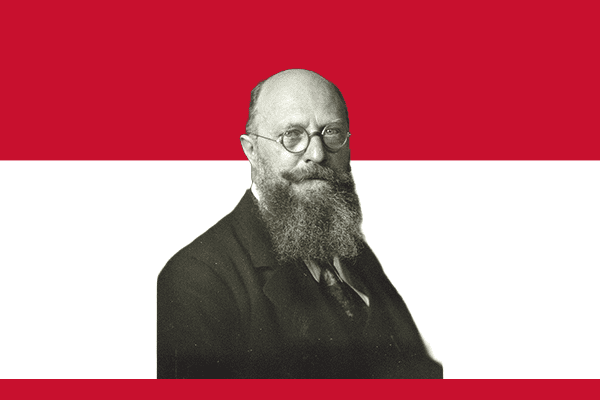
Early Life and Education
Thorvald August Marinus Stauning was born on October 26, 1873, in Copenhagen, Denmark. He came from a working-class family, and his modest upbringing deeply influenced his political beliefs. Instead of receiving an elite education, Stauning learned practical skills and worked as a cigar sorter during his early years.
While working, he became interested in labor rights and social justice. He joined trade unions and actively participated in workers’ movements. These experiences helped him understand the struggles of ordinary citizens and inspired him to pursue a political career.
Entry into Politics
Stauning joined the Danish Social Democratic Party at a young age. He quickly gained recognition because of his strong speaking abilities and commitment to workers’ welfare. In 1906, he became the leader of the Social Democratic Party, marking the beginning of a long and influential political journey.
Rather than focusing only on ideology, Stauning promoted practical reforms that could improve people’s lives. He encouraged cooperation between workers, employers, and the government. His balanced approach attracted support from many sections of Danish society.
Becoming Prime Minister
In 1924, Thorvald Stauning became the first Social Democratic Prime Minister of Denmark. His appointment marked a historic moment because it showed the growing influence of workers and democratic politics in the country.
As prime minister, Stauning introduced reforms that improved healthcare, education, housing, and employment opportunities. He believed the government should actively protect citizens from poverty and economic hardship. His leadership laid the foundation for Denmark’s modern welfare state.
Although his first term lasted only a short time, he returned to power in 1929 and remained prime minister until his death in 1942. During this period, he guided Denmark through the Great Depression with determination and skill.
Leadership During the Great Depression
The global economic crisis of the 1930s created serious challenges for Denmark. Many people lost jobs, businesses struggled, and poverty increased. Instead of allowing the crisis to weaken the country, Stauning introduced economic reforms and social programs to support citizens.
One of his most significant achievements was the Kanslergade Agreement of 1933. Through this agreement, Stauning worked with political opponents to stabilize the economy and protect workers and farmers. His willingness to cooperate with different political groups demonstrated his leadership and commitment to national unity.
The reforms reduced unemployment and strengthened social security systems. As a result, many citizens viewed Stauning as a trustworthy and capable leader.
Political Philosophy and Achievements
Thorvald Stauning believed strongly in democracy, equality, and social welfare. He promoted the idea that governments should create opportunities for all citizens rather than serve only wealthy groups. His policies expanded workers’ rights, improved living standards, and strengthened public institutions.
He also modernized the Social Democratic Party by making it more inclusive and practical. Instead of encouraging political conflict, he focused on compromise and cooperation. This strategy helped Denmark maintain political stability during difficult periods.
Stauning’s famous slogan, “Stauning or Chaos,” reflected his belief that responsible leadership could protect society from instability and extremism.
Legacy and Death
Thorvald Stauning died on May 3, 1942, during World War II. His death marked the end of an important era in Danish politics. However, his influence continued long after his passing.
Today, many historians consider him one of Denmark’s greatest prime ministers. His leadership helped establish the Danish welfare state and strengthened democratic values. Through his reforms and vision, he improved the lives of millions of citizens and shaped modern Denmark.
Conclusion
Thorvald Stauning transformed Danish politics through strong leadership, social reforms, and democratic values. He guided Denmark through economic hardship while promoting equality and cooperation. His contributions to workers’ rights and welfare policies continue to influence Danish society today. Stauning’s legacy remains a symbol of responsible leadership and social progress.