Mr. Toivo Mikael Kivimäki
In Office: 14 December 1932 – 7 October 1936
Political Party: National Progressive
Home State: Tarvasjoki
Lifespan: 1886–1968
Country: Finland
Image credits available here.
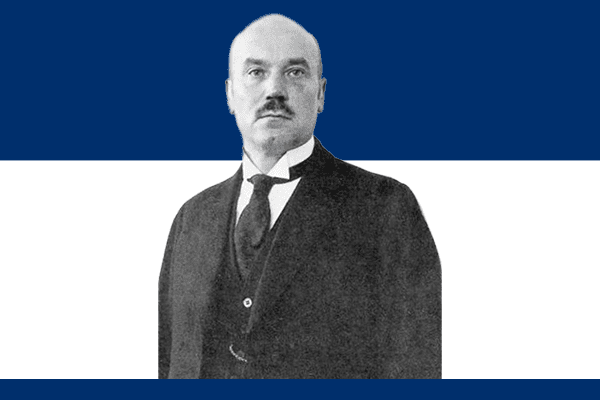
Early Life and Education
Toivo Mikael Kivimäki was born on June 5, 1886, in Tarvasjoki, Finland, which was then part of the Russian Empire. He came from a modest background and showed strong academic abilities from an early age. Determined to pursue higher education, he studied law at the University of Helsinki.
After completing his education, Kivimäki built a successful academic career. He worked as a professor of law and earned respect for his deep understanding of legal and constitutional matters. His scholarly work helped shape his future political career because he approached public service with careful analysis and practical thinking.
Entry into Politics
Kivimäki entered politics through the National Progressive Party, a liberal political group that supported democracy, social reforms, and economic modernization. Finland had gained independence from Russia in 1917, and the country faced political instability during its early years as an independent nation.
Kivimäki focused on strengthening democratic institutions and promoting cooperation among political parties. His calm personality and legal expertise made him a trusted figure in Finnish politics. As he gained influence, political leaders recognized his ability to guide the country through difficult times.
Prime Minister of Finland
In 1932, Toivo Mikael Kivimäki became Prime Minister of Finland. He led the government during a period marked by economic difficulties caused by the Great Depression. Many European countries experienced political unrest at that time, but Kivimäki worked hard to preserve democracy and stability in Finland.
His government improved economic policies, encouraged cooperation between political groups, and reduced tensions within society. He strongly opposed extremist movements and defended democratic principles. During his leadership, Finland avoided many of the political crises that affected other European nations.
Kivimäki also focused on strengthening Finland’s international relationships. He believed diplomacy could protect Finland’s independence and security in a rapidly changing Europe. His careful leadership earned respect from both supporters and opponents.
Diplomatic Career
After serving as prime minister, Kivimäki continued to represent Finland in international affairs. He later served as Finland’s ambassador to Germany from 1940 to 1944 during World War II. This period proved extremely challenging because Finland faced pressure from powerful neighboring countries and complex wartime alliances.
Kivimäki worked to protect Finland’s interests during difficult negotiations. Although his diplomatic role during the war later became controversial, many historians acknowledge the difficult circumstances Finland faced at the time. He attempted to secure Finland’s independence while navigating dangerous international conditions.
Academic Contributions
Alongside politics and diplomacy, Kivimäki remained dedicated to academic work. He contributed significantly to Finnish legal studies and constitutional law. His writings and teachings influenced many future lawyers and political leaders in Finland.
Unlike many politicians who focused only on power, Kivimäki valued education and intellectual discussion. He believed strong legal institutions formed the foundation of a stable society. His academic background helped him make thoughtful political decisions throughout his career.
Legacy and Historical Importance
Toivo Mikael Kivimäki left a lasting impact on Finnish politics and diplomacy. He guided Finland during economically and politically uncertain years while protecting democratic governance. His leadership demonstrated patience, moderation, and commitment to national stability.
Although historians continue to debate some aspects of his wartime diplomacy, they generally recognize his contributions to Finland’s development. His efforts helped Finland maintain independence during a difficult era in European history.
Conclusion
Toivo Mikael Kivimäki played a major role in shaping modern Finland through politics, diplomacy, and education. As prime minister, he defended democracy and promoted national stability during challenging times. His long career reflected dedication to public service and intellectual leadership. Today, historians remember him as one of Finland’s influential political figures of the twentieth century.