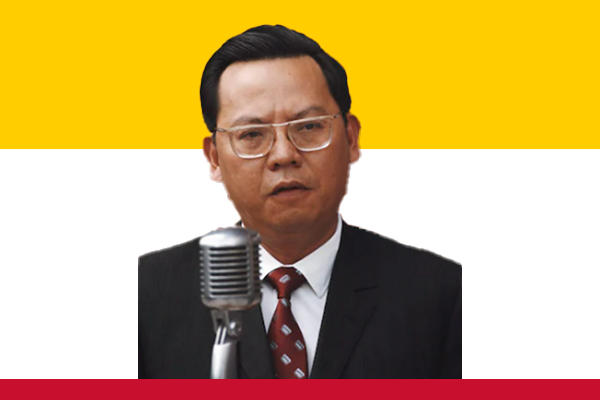
Early Life and Military Beginnings
Trần Thiện Khiêm was born on December 15, 1925, in Saigon, Vietnam. He grew up during a time when the country struggled under French colonial rule. Inspired by a sense of duty and patriotism, Khiêm chose a military path early in life. He joined the Vietnamese National Army, the military force of the State of Vietnam, which later became the Army of the Republic of Vietnam (ARVN). His discipline, strategic thinking, and leadership skills helped him rise quickly through the ranks.
Rise in Military Ranks
As an officer, Khiêm demonstrated exceptional command abilities. He earned respect from his superiors and peers for his organizational discipline and loyalty. During the 1950s, he took part in training programs and commanded various units. His growing reputation positioned him as one of the key figures in the ARVN. Khiêm worked closely with other rising officers who later played major roles in South Vietnam’s turbulent politics.
Role in Political Changes
In the early 1960s, South Vietnam experienced political instability following the rule of President Ngô Đình Diệm. Khiêm, like many officers, believed that Diệm’s government failed to unite the country. In 1963, Khiêm joined other military leaders in supporting the coup that overthrew Diệm. After the coup, Khiêm held several high-ranking positions in the military government, including Chief of Staff of the Armed Forces and Minister of the Interior. His involvement in these transitions reflected his deep influence on Vietnam’s political direction.
Diplomatic and Government Roles
Trần Thiện Khiêm also played an important role in diplomacy. The government sent him to serve as ambassador to the United States and later to Taiwan. In these roles, he represented South Vietnam’s interests abroad and built relationships with international allies. His diplomatic experience broadened his understanding of global politics and foreign policy, which later influenced his approach as a prime minister.
Becoming Prime Minister
In 1969, President Nguyễn Văn Thiệu appointed Trần Thiện Khiêm as Prime Minister of South Vietnam. Khiêm accepted the position during a period of immense challenge. The Vietnam War was at its peak, and the country faced both internal unrest and external pressure. Khiêm focused on stabilizing the government and strengthening military coordination with American forces. He supported Thiệu’s policies and aimed to maintain unity among political and military leaders.
Policies and Governance
As Prime Minister, Khiêm emphasized discipline, loyalty, and national defense. He worked to improve the efficiency of the government and promote security in war-torn regions. He also encouraged anti-corruption measures and tried to reduce political rivalries within the government. Though the conflict limited his ability to pursue broad social reforms, he remained committed to national unity and military strength. Khiêm frequently visited soldiers on the front lines to boost morale and demonstrate leadership.
Relationship with President Thiệu
Khiêm maintained a close working relationship with President Thiệu. Their partnership was built on mutual trust and shared goals for South Vietnam’s stability. Khiêm acted as a reliable supporter of Thiệu’s leadership while managing the day-to-day administration. However, political challenges and battlefield losses made it increasingly difficult to maintain public confidence in the government.
Final Years in Power and Exile
Trần Thiện Khiêm continued serving as Prime Minister until the final years of the Republic of Vietnam. When Saigon fell to North Vietnamese forces in April 1975, he fled the country to avoid persecution. He eventually settled in the United States, where he lived a quiet life away from politics. He remained respected among Vietnamese expatriates for his service and dedication. Khiêm passed away on June 24, 2021, leaving behind a legacy of military discipline and political endurance.
Legacy and Impact
Trần Thiện Khiêm’s career reflected the complexities of South Vietnam’s struggle for independence and stability. He stood out as both a soldier and a statesman who dedicated his life to national service. His leadership during times of crisis demonstrated resilience, loyalty, and determination. Although his government faced immense challenges, Khiêm’s efforts symbolized the enduring spirit of those who sought to defend South Vietnam’s sovereignty.