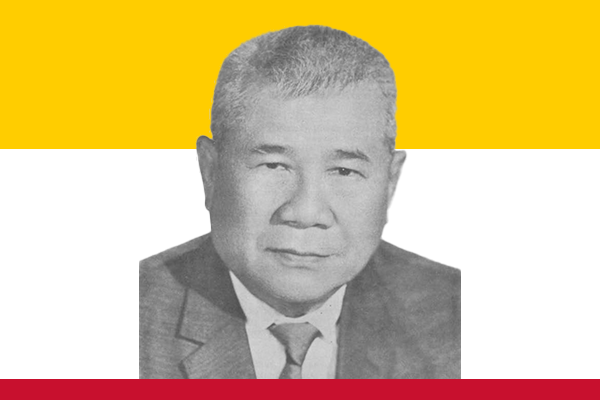
Early Life and Education
Trần Văn Hương was born on December 1, 1902, in Vĩnh Long Province, southern Vietnam. He grew up in a modest family that valued education and national service. As a young man, he pursued his studies in Saigon, where he developed a deep appreciation for literature and civic responsibility. His early exposure to colonial politics shaped his patriotic spirit and desire to serve his country.
Early Career and Entry into Politics
After completing his education, Hương began his career as a teacher. He gained respect for his commitment to discipline and education reform. His experience in teaching helped him understand the challenges facing ordinary Vietnamese citizens, especially during times of social and political unrest. His concern for justice and national development motivated him to enter politics.
In the 1940s, as French colonial control weakened, Hương took part in local political movements that called for greater autonomy and reform. His reputation as an honest and principled leader helped him rise through the ranks of South Vietnamese politics.
Rise in the Republic of Vietnam Government
When the Republic of Vietnam was established in 1955 under President Ngô Đình Diệm, Trần Văn Hương served in various administrative roles. He maintained a reputation for honesty and strong moral character, even when political corruption was common. Hương focused on improving governance and public service efficiency. His modest lifestyle and straightforward nature made him a respected figure among both civilians and military officials.
First Term as Prime Minister
In November 1964, after the fall of General Nguyễn Khánh’s government, the Armed Forces Council appointed Trần Văn Hương as Prime Minister. He accepted the position during a period of deep political instability and social unrest. As Prime Minister, Hương emphasized law, order, and administrative discipline. He tried to strengthen civilian authority and limit the military’s political influence.
However, his government faced strong resistance from both military leaders and political rivals. The worsening situation of the Vietnam War and public dissatisfaction led to his removal from office in January 1965. Despite the brief duration of his first term, Hương demonstrated integrity and a clear sense of responsibility.
Continued Service and Political Resilience
Even after leaving office, Trần Văn Hương continued to serve his nation. He returned to public life in 1968 when President Nguyễn Văn Thiệu appointed him as Vice President. In this role, Hương supported efforts to stabilize the government and maintain public morale during the height of the Vietnam War. He remained loyal to the principles of democracy, honesty, and civilian governance.
Second Term as Prime Minister
In April 1975, as North Vietnamese forces advanced toward Saigon, President Thiệu resigned, and Trần Văn Hương became President. Facing a collapsing military situation, Hương sought to negotiate peace and preserve lives. He transferred power peacefully to General Dương Văn Minh on April 28, 1975, in hopes of avoiding further bloodshed. This act of selflessness reflected his deep sense of duty and humanity.
Personal Qualities and Leadership Style
Trần Văn Hương led with simplicity, humility, and strong moral conviction. He avoided personal gain and focused on national unity. His leadership reflected honesty and a belief in moral integrity as the foundation of political life. Even when surrounded by chaos and conflict, he maintained his dignity and commitment to public service.
Legacy
After the fall of Saigon, Trần Văn Hương lived quietly until his death on July 27, 1982. History remembers him as a symbol of integrity in South Vietnam’s turbulent political landscape. He stood out for his honesty, patriotism, and loyalty to democratic ideals.
Trần Văn Hương’s leadership demonstrated that in times of crisis, a true statesman must serve his country with courage, humility, and honor. His legacy continues to remind future generations of the importance of moral strength and dedication to national service.