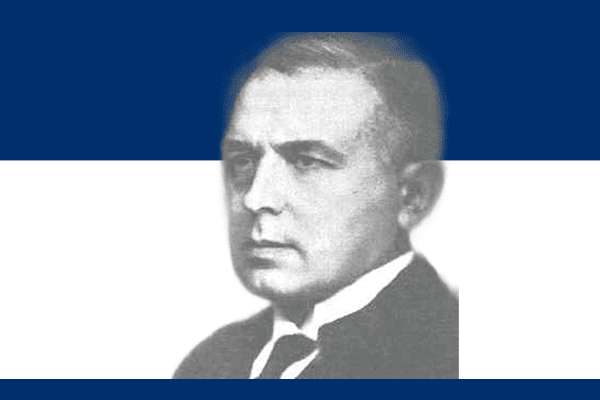
Early Life and Education
Urho Castrén was born on December 30, 1886, in Jyväskylä, Finland. He grew up in an educated family that valued learning and public service. From an early age, he showed a strong interest in law and governance.
He studied law at the University of Helsinki and earned his degree with excellent academic performance. After completing his education, he began working in the legal field. His legal expertise and disciplined approach quickly earned him respect among colleagues and government officials.
Career in Law and Public Service
Castrén built a successful career as a lawyer and judge before entering high-level politics. He worked in several judicial positions and gained recognition for his fairness and deep understanding of Finnish law. Instead of seeking public attention, he focused on strengthening the country’s legal institutions.
He later served in important government departments and contributed to the development of Finland’s justice system. His experience in administration prepared him for national leadership during challenging times.
Because of his legal knowledge and calm personality, political leaders trusted him with major responsibilities. He became known as a reliable public servant who valued integrity and national unity.
Prime Minister of Finland
In 1944, Urho Castrén became the Prime Minister of Finland. At that time, Finland faced serious political and economic difficulties caused by World War II. The country needed stable leadership to rebuild society and manage international relations.
As prime minister, Castrén worked actively to guide Finland through the post-war transition. He supported peace efforts and helped maintain order during a sensitive period in Finnish history. His government focused on reconstruction, diplomacy, and economic recovery.
Although his term lasted less than a year, he handled his responsibilities with determination and professionalism. He cooperated with political parties and state institutions to protect Finland’s independence and democratic system.
Contributions to Finnish Society
Urho Castrén contributed not only to politics but also to Finland’s legal and administrative development. He believed that strong laws and fair institutions formed the foundation of a successful nation. Through his judicial work, he promoted justice and constitutional governance.
He also encouraged cooperation among political groups during difficult times. Instead of creating conflict, he promoted stability and practical decision-making. His balanced leadership style helped Finland move forward after the war.
Many historians recognize his role in preserving democratic traditions when Europe faced political uncertainty and conflict. His calm approach and legal expertise strengthened public trust in government institutions.
Personal Qualities and Leadership Style
Castrén earned respect for his intelligence, discipline, and honesty. He approached leadership with seriousness and responsibility. Rather than using emotional speeches, he relied on careful planning and legal understanding.
He preferred cooperation over confrontation and valued national unity above personal ambition. These qualities made him an effective leader during a challenging historical period.
Even after leaving the office of prime minister, he continued contributing to public service and legal affairs. His lifelong dedication reflected his commitment to Finland and its democratic values.
Legacy
Urho Castrén left behind a legacy of integrity and responsible leadership. Although he did not serve as prime minister for a long period, his contribution during a critical time remains significant. He helped Finland maintain stability and rebuild after the devastation of war.
His work in law and government continues to inspire students of Finnish history and politics. People remember him as a thoughtful leader who placed national interest above politics.
Conclusion
Urho Castrén played an essential role in Finland’s political and legal history. Through active leadership, legal expertise, and dedication to democracy, he helped guide Finland during a difficult transition after World War II. His contributions to public service and national stability continue to hold historical importance today.