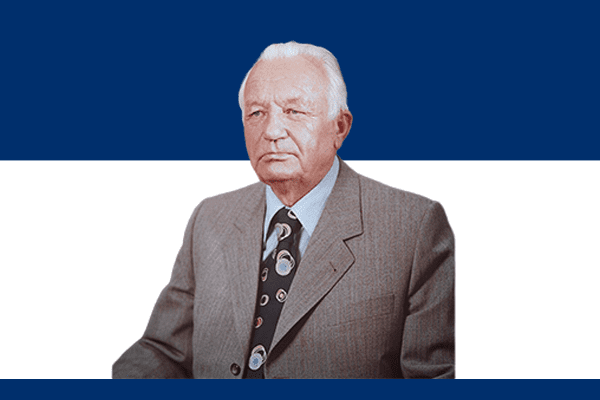
Early Life and Education
V. J. Sukselainen was born on October 12, 1906, in Paimio, Finland. He grew up in a modest environment that shaped his understanding of rural life and the struggles of common people. His early experiences inspired him to support policies that improved living conditions for farmers and workers.
He studied law at the University of Helsinki and earned a degree in jurisprudence. After completing his education, he worked as a lawyer and legal expert. His legal background strengthened his analytical skills and prepared him for a successful political career.
During his youth, Finland experienced major political and economic transformations. Sukselainen closely observed these developments and became interested in public affairs. He joined the Agrarian League and quickly gained recognition for his intelligence and dedication.
Political Career
Sukselainen entered Finnish politics during a period of reconstruction and modernization. He became a member of the Finnish Parliament and actively participated in debates about economic development, agriculture, and social reform.
His leadership abilities helped him rise within the Agrarian League. In 1945, he became chairman of the party and worked to expand its influence beyond rural communities. He encouraged cooperation between different political groups and focused on practical solutions instead of ideological conflicts.
As a politician, Sukselainen promoted social justice and economic stability. He supported policies that improved education, healthcare, and employment opportunities. His balanced approach helped Finland maintain political stability during difficult times.
Prime Minister of Finland
V. J. Sukselainen served as Prime Minister of Finland three times: from 1954 to 1956, briefly in 1957, and again from 1959 to 1961. During his terms, he addressed economic challenges and strengthened Finland’s democratic institutions.
He focused on improving Finland’s economy by supporting agriculture, industry, and trade. He also encouraged cooperation between labor unions, businesses, and the government. Through these efforts, he helped create a more stable economic environment.
Sukselainen managed foreign relations carefully during the Cold War era. Finland maintained neutrality between East and West, and he supported policies that protected the country’s independence and security. His diplomatic approach allowed Finland to maintain peaceful international relations.
Leadership Style and Achievements
Sukselainen earned recognition for his calm and practical leadership style. He listened carefully to different opinions and worked toward compromise. Instead of creating political divisions, he encouraged dialogue and cooperation.
One of his major achievements involved strengthening Finland’s welfare system. He supported reforms that improved public services and increased opportunities for citizens. He also worked to modernize rural communities and reduce economic inequality.
In addition to his work as Prime Minister, Sukselainen served in several important governmental positions. He contributed to legislative reforms and helped shape Finland’s modern political system.
Legacy and Influence
V. J. Sukselainen left a lasting impact on Finnish politics. His dedication to democracy, social welfare, and national unity influenced future generations of leaders. He demonstrated that effective leadership requires patience, cooperation, and a commitment to public service.
The Centre Party continued to grow under the foundation he helped build. Many of his ideas about rural development and social equality remained important in Finnish politics for decades.
Historians remember Sukselainen as a leader who guided Finland through a period of transition and modernization. His efforts strengthened the country’s democratic traditions and improved the lives of many citizens.
Conclusion
V. J. Sukselainen played a significant role in Finland’s political history. Through active leadership, he promoted economic stability, social reform, and democratic values. His work as Prime Minister and party leader helped Finland develop into a stable and modern nation.
His legacy continues to inspire political leaders who value cooperation, responsibility, and public service. Sukselainen’s contributions remain an important part of Finland’s democratic heritage.