Mr. Victor Marijnen
In Office: 24 July 1963 – 14 April 1965
Political Party: Catholic People’s Party
Home State: Amsterdam
Lifespan: 1917–1975
Country: Netherland
Image credits available here.
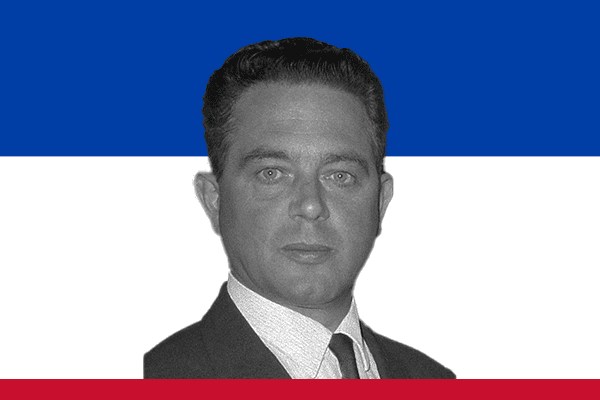
Early Life and Career
Victor Marijnen was born on February 21, 1917, in the Netherlands. He pursued his education in law and later became involved in public administration. He actively worked in government institutions and gained experience in policy-making. His early career helped him build a strong foundation in governance and administration.
He joined the Catholic People’s Party, where he developed his political career. He contributed significantly to the party and earned recognition as a capable leader. His dedication and skills led him to higher positions in the government.
Political Career
Victor Marijnen actively participated in Dutch politics and held several important positions before becoming Prime Minister. He served as Minister of Agriculture and Fisheries, where he implemented policies to strengthen the agricultural sector. His work improved farming practices and supported rural communities.
In 1963, he became the Prime Minister of the Netherlands. A coalition government supported his leadership, and he worked to maintain unity among different political parties. He addressed economic challenges and promoted social welfare policies. His government focused on modernization and development.
Leadership as Prime Minister
Victor Marijnen led the government with determination and responsibility. He managed coalition politics carefully and ensured that different parties cooperated effectively. His leadership emphasized stability and progress.
His government dealt with several national issues, including economic growth and media policy. A major challenge arose during the conflict over broadcasting regulations. The disagreement created tension within the coalition government. Despite his efforts, the issue could not be resolved easily.
Challenges and Resignation
The broadcasting conflict weakened the stability of the government. Political disagreements increased, and coalition partners found it difficult to reach a consensus. As a result, the government faced a crisis.
In 1965, Victor Marijnen resigned from his position as Prime Minister. His resignation marked the end of his tenure. Although his time in office was relatively short, he contributed to maintaining political balance during a challenging period.
Legacy
Victor Marijnen left a lasting impact on Dutch politics. He demonstrated strong leadership and commitment to public service. His ability to manage coalition governments remains an important aspect of his legacy.
Historians recognize his role in maintaining stability during a complex political era. His contributions to governance and policy-making continue to be appreciated.
Conclusion
Victor Marijnen served the Netherlands with dedication and integrity. He played a significant role in shaping the country’s political landscape during the 1960s. His leadership reflected responsibility and cooperation, which remain important values in democratic governance.