Mr. Vilhelm Buhl
In Office: 5 May 1945 – 7 November 1945
4 May 1942 – 9 November 1942
Political Party: Social Democrats
Home State: Fredericia
Lifespan: 1881–1954
Country: Denmark
Image credits available here.
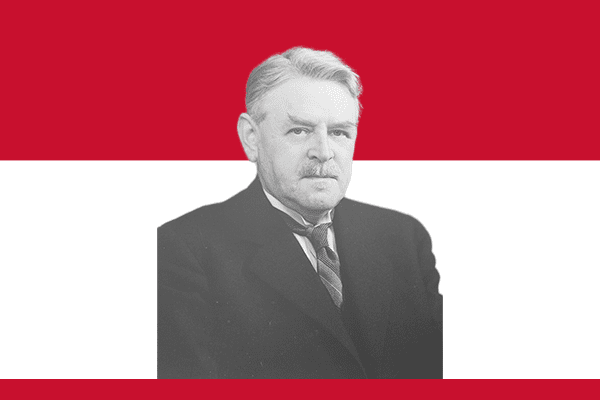
Early Life and Education
Vilhelm Buhl was born on October 16, 1881, in Fredericia, Denmark. He grew up in a politically aware family that encouraged education and public service. From an early age, he showed interest in law, government, and social issues.
He studied law at the University of Copenhagen and completed his degree successfully. After finishing his education, he worked in public administration and gained valuable experience in government affairs. His strong understanding of politics and economics helped him build a successful political career.
Entry into Politics
Vilhelm Buhl joined the Social Democratic Party and quickly became an influential member. He focused on improving workers’ rights, strengthening the economy, and promoting social welfare programs. Through hard work and dedication, he earned the trust of both party leaders and citizens.
He served in several important government positions before becoming Prime Minister. His practical approach and calm personality made him an effective leader during challenging political situations.
First Term as Prime Minister
In 1942, Vilhelm Buhl became Prime Minister of Denmark after the resignation of Thorvald Stauning. Denmark was under German occupation during World War II, and the situation remained extremely tense.
Buhl tried to protect Danish interests while avoiding unnecessary conflict with Germany. He encouraged cooperation with authorities to maintain peace and reduce suffering among Danish citizens. At the same time, he attempted to preserve Denmark’s political institutions and national identity.
His leadership during wartime required careful decision-making and diplomatic skill. Although critics questioned some policies, many people recognized the difficult conditions under which he governed.
Leadership During World War II
During World War II, Vilhelm Buhl faced enormous pressure from both German authorities and the Danish resistance movement. He aimed to keep order in Denmark while preventing violent destruction and political collapse.
Buhl openly criticized acts of sabotage because he feared severe retaliation from German forces. He believed peaceful administration would protect Danish civilians and preserve the country’s infrastructure. His speeches and policies reflected his desire to avoid greater suffering during the occupation.
Despite the challenges, Buhl continued supporting democratic governance and national cooperation. His efforts helped Denmark maintain a degree of independence compared to several other occupied countries.
Second Term as Prime Minister
After the liberation of Denmark in 1945, Vilhelm Buhl again served briefly as Prime Minister. During this period, he focused on rebuilding the country and restoring political stability. He supported democratic reforms and worked to strengthen Denmark’s economy after the war.
Buhl encouraged unity among political parties and citizens. He believed cooperation would help Denmark recover faster from wartime hardships. His experience and leadership played an important role during the transition from occupation to peace.
Political Legacy
Vilhelm Buhl left a lasting impact on Danish politics. He demonstrated calm leadership during one of the most difficult periods in Denmark’s history. His commitment to democracy, social welfare, and national stability shaped the country’s political development.
Historians continue debating some of his wartime decisions, but many acknowledge the complexity of the situation he faced. Buhl tried to balance national survival with democratic principles during a dangerous era.
His service to Denmark reflected responsibility, discipline, and dedication to public welfare. Modern Danish leaders still study his leadership during times of crisis.
Conclusion
Vilhelm Buhl remains an important figure in Danish history. Through active leadership and political experience, he guided Denmark during World War II and helped restore stability after the conflict. His dedication to democracy and national unity continues to inspire students of history and politics today.