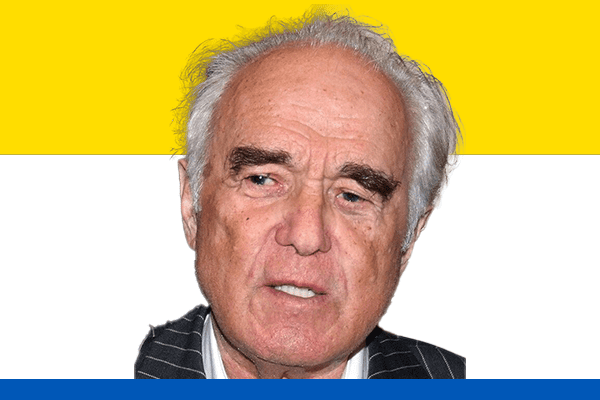
Early Life and Education
Vitaliy Masol was born on November 14, 1928, in the town of Olyshivka in the Chernihiv region, which was then part of the Ukrainian Soviet Socialist Republic. He grew up during a time of major political and social change in the Soviet Union. Masol pursued higher education in engineering and graduated from the Kyiv Polytechnic Institute. His technical education shaped his analytical thinking and influenced his later career in government administration.
After completing his studies, Masol began his professional career in the industrial sector. He worked in engineering and management positions within major Soviet industries. Through dedication and strong organizational skills, he quickly advanced within the administrative and political structure of the Soviet system.
Rise in Political Career
Masol gradually transitioned from industrial management to political leadership. He joined the Communist Party and held several administrative roles in Ukraine’s government institutions. His expertise in economic planning and industrial development earned him recognition within political circles.
In 1987, Masol became Chairman of the Council of Ministers of the Ukrainian Soviet Socialist Republic, a position equivalent to Prime Minister. During this time, the Soviet Union was experiencing reforms under policies such as perestroika and glasnost. Masol worked to implement economic reforms and improve industrial productivity in Ukraine.
However, political pressure increased in 1990 as democratic movements grew stronger across the Soviet republics. Student protests and public demands for political reform intensified in Ukraine. Facing widespread opposition, Masol resigned from office in October 1990.
Second Term as Prime Minister
After Ukraine declared independence in 1991, the country entered a period of political and economic uncertainty. In 1994, Masol returned to national politics when President Leonid Kuchma appointed him Prime Minister of Ukraine.
During his second term, Masol faced serious economic challenges. Ukraine struggled with inflation, industrial decline, and the transition from a centrally planned economy to a market-based system. Masol focused on stabilizing the national economy and improving cooperation between government institutions.
He also worked to maintain relations with neighboring countries and international organizations. Although reforms progressed slowly, Masol’s administration emphasized gradual economic change to avoid social instability.
Leadership Style and Contributions
Vitaliy Masol was known for his calm and pragmatic leadership style. Rather than promoting rapid political change, he preferred careful planning and administrative management. His background in engineering and industrial management influenced his methodical approach to governance.
Masol contributed to maintaining government continuity during Ukraine’s early years of independence. He supported economic reforms while attempting to protect key industries and social welfare systems. His experience in both Soviet and independent Ukrainian administrations made him one of the most experienced political figures of his time.
Later Life and Legacy
Masol served as Prime Minister until 1995, when he stepped down from the position. After leaving office, he gradually withdrew from active politics. He remained respected as a veteran statesman who had witnessed and managed significant historical transitions in Ukraine.
Vitaliy Masol passed away on September 21, 2018. His long career in government reflected the complex transformation of Ukraine from a Soviet republic into an independent nation. Historians often view him as a transitional leader who helped guide the country through a difficult political and economic shift.
Conclusion
Vitaliy Masol played an important role in Ukraine’s political history. Serving as Prime Minister during both the Soviet period and the early years of independence, he helped manage administrative and economic challenges during times of major change. His leadership emphasized stability, careful reform, and practical governance. Although his tenure faced criticism for slow economic progress, Masol’s experience and dedication helped shape Ukraine’s governmental development during a critical period.