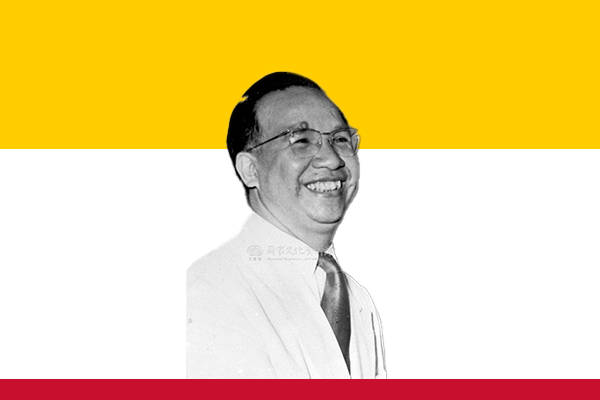
Early Life and Education
Vũ Văn Mẫu was born in 1914 in Hanoi, Vietnam, during the period of French colonial rule. He grew up in an intellectual family that valued education and national service. From a young age, he developed a deep respect for Vietnamese culture and law. He pursued legal studies in Hanoi and later advanced his education in France, where he specialized in international law. His time in Europe exposed him to democratic ideals and a modern perspective on governance.
Academic and Legal Career
After returning to Vietnam, Vũ Văn Mẫu became a respected law professor at the University of Saigon. He earned admiration from his students and colleagues for his sharp intellect and moral integrity. As a legal scholar, he worked to modernize Vietnam’s legal education system and to promote justice based on both traditional and Western principles. His scholarly reputation made him one of the country’s most trusted legal experts.
Entry into Politics
Vũ Văn Mẫu entered public service with a deep commitment to national unity and legal order. President Ngô Đình Diệm recognized his competence and appointed him as Minister of Foreign Affairs in the Republic of Vietnam. In this position, Mẫu handled diplomatic relations with skill and sought to improve Vietnam’s international standing. He advocated for peaceful dialogue and independence from foreign domination.
Conflict with the Diệm Regime
Despite his loyalty to national service, Vũ Văn Mẫu opposed the growing authoritarianism of President Diệm’s regime, especially during the Buddhist crisis of 1963. As a devout Buddhist and a man of conscience, he protested the government’s oppressive policies toward Buddhist communities. In a symbolic act of protest, he shaved his head and resigned from his ministerial post. His resignation inspired many citizens and became a powerful statement for religious equality and political integrity.
Exile and Return
After his resignation, the government placed him under house arrest due to his growing influence and moral authority. Following the fall of the Diệm regime later in 1963, he was released and briefly went into exile. He continued his academic work abroad and remained deeply concerned about his homeland’s political instability. His moderate and intellectual approach kept him respected both inside and outside Vietnam.
Appointment as Prime Minister
In April 1975, as South Vietnam faced collapse during the final days of the Vietnam War, President Trần Văn Hương appointed Vũ Văn Mẫu as Prime Minister. He accepted the role out of duty to his nation, knowing that the situation was extremely dire. He tried to negotiate a peaceful transition of power and prevent unnecessary bloodshed. His government aimed to find a diplomatic resolution to end the war and reunify the country without massive civilian suffering.
Efforts During the Fall of Saigon
As the North Vietnamese forces advanced on Saigon, Prime Minister Mẫu sought to establish communication with them to arrange a ceasefire. He appealed for unity and peace, recognizing that continued resistance would only cause further loss of life. Despite his efforts, events moved too quickly, and on April 30, 1975, Saigon fell to the communist forces. His brief tenure marked the end of the Republic of Vietnam.
Later Life and Legacy
After the war, Vũ Văn Mẫu lived quietly, reflecting on his nation’s turbulent history. He remained committed to the principles of peace, justice, and education throughout his life. Even though he served as prime minister for only a short time, his moral courage and integrity left a lasting mark on Vietnam’s political history. He passed away in 1998, remembered as a man who valued conscience over power.
Conclusion
Prime Minister Vũ Văn Mẫu’s life represented dignity in the face of turmoil. He balanced intellect, compassion, and national loyalty at a time when Vietnam faced division and uncertainty. His commitment to peace, justice, and human rights continues to inspire future generations who seek leadership built on moral strength and wisdom.