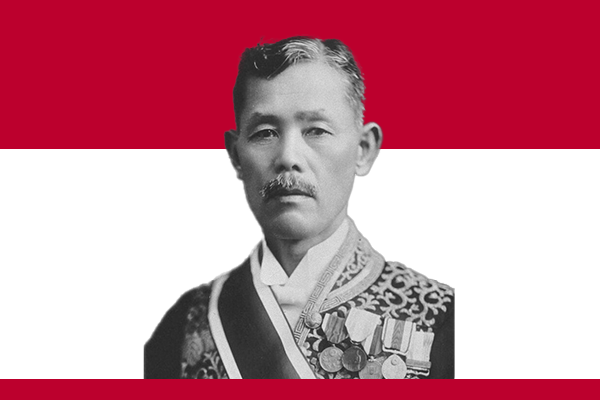
Early Life and Background
Wakatsuki Reijirō was born on March 21, 1866, in Matsue, Shimane Prefecture, Japan. He grew up during a time when Japan was rapidly modernizing under the Meiji Restoration. Wakatsuki pursued education diligently, eventually joining the Ministry of Finance. His early career focused on economic reforms, and he quickly gained a reputation as a skilled financial expert. Through dedication and intelligence, Wakatsuki rose in the political world, paving the way for his future leadership roles.
Rise in Politics
Wakatsuki entered politics through the Rikken Seiyūkai Party, one of Japan’s major political parties at the time. His financial expertise impressed party leaders, and he became involved in shaping Japan’s economic and foreign policies. The Japanese government appointed him to several high-profile positions, including Minister of Finance. His policies emphasized fiscal responsibility and modernization, which earned him respect among both politicians and the public.
First Term as Prime Minister (1926–1927)
The government appointed Wakatsuki Reijirō as Prime Minister in January 1926 after Katō Takaaki’s death. He led the nation during a challenging economic period marked by financial instability and political unrest.
During his first term, the Shōwa Financial Crisis erupted in 1927, threatening Japan’s banking system. Wakatsuki worked tirelessly to stabilize the economy, but political divisions and limited support in the Diet weakened his government. As the crisis deepened, opposition parties criticized his administration. Facing intense pressure, Wakatsuki resigned in April 1927, ending his first term after only a year in office.
Second Term as Prime Minister (1931)
Despite his earlier resignation, Wakatsuki returned as Prime Minister in April 1931. By then, Japan faced rising militarism and tensions with China. The Mukden Incident in September 1931, when Japanese officers staged a railway explosion in Manchuria as a pretext for invasion, posed a major test for Wakatsuki’s leadership.
Wakatsuki opposed military aggression in Manchuria, insisting on diplomatic solutions. However, the military defied his orders and expanded control in the region. His inability to rein in the army exposed the growing weakness of civilian governments in Japan. In December 1931, Wakatsuki resigned again, marking the end of his political career as Prime Minister.
Political Ideals and Leadership Style
Wakatsuki Reijirō valued diplomacy, economic stability, and constitutional government. He believed in balancing modernization with traditional values and advocated for peaceful international relations. His leadership reflected a commitment to democratic principles, even as Japan drifted toward militarism in the 1930s.
Legacy and Contributions
Historians remember Wakatsuki Reijirō as a leader who tried to defend democracy during turbulent times. His struggles against military dominance highlighted the declining power of civilian politicians in pre-war Japan. Although he failed to prevent Japan’s slide into militarism, his efforts symbolized resistance to authoritarian forces.
Wakatsuki’s emphasis on financial reforms and diplomacy left a lasting impact on Japan’s political history. He passed away on November 20, 1949, witnessing Japan’s post-war transformation into a democratic nation.
Conclusion.
Prime Minister Wakatsuki Reijirō’s career reflected both dedication and challenges. He fought for economic stability, democratic governance, and peace, even as political and military pressures limited his success. His legacy reminds future generations of the importance of civilian leadership and constitutional values in times of crisis.