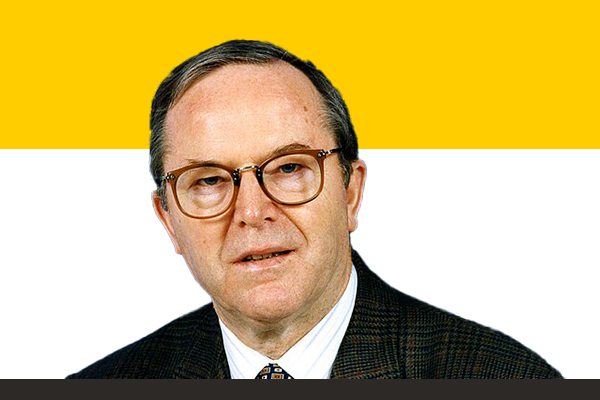
Early Life and Rise in Politics
Wilfried Martens built his political career on strong Christian democratic values and an early commitment to public service. Born in Belgium, he engaged actively in youth political organizations and used these platforms to introduce fresh ideas about national unity and social stability. His growing influence in party circles helped him rise quickly within the Christian Democratic movement. Martens strengthened his reputation by advocating balanced governance, community rights, and responsible economic planning.
Building a Political Vision
As his political journey advanced, Martens worked tirelessly to shape a vision for a more stable and modern Belgium. He addressed linguistic tensions with a determined approach and pushed for reforms that could bring the country closer together. His early political work reflected a belief that Belgium needed structural changes to maintain unity among its diverse regions. Because he consistently promoted dialogue between communities, he became a respected figure capable of bridging divides.
Leadership as Prime Minister
Wilfried Martens took office as Prime Minister at a time when Belgium faced economic hardship and constitutional challenges. He accepted the task with confidence and introduced decisive policies to stabilize the economy. Martens supported restructuring measures, encouraged job creation, and guided Belgium toward a more sustainable fiscal path. His leadership helped the nation stay steady during a complicated period marked by global economic pressures.
He also led Belgium through major constitutional reforms. Martens pushed the country toward federalism and ensured that the various linguistic communities gained more autonomy. He believed that decentralization could reduce conflict and strengthen national unity. His government worked actively to formalize these reforms, which later became defining features of Belgian governance.
Advancing European Integration
Martens played a prominent role in strengthening Europe’s political and economic unity. He promoted cooperation between European nations and supported plans that would deepen integration across the continent. His advocacy helped shape discussions on major European developments, including the drive toward the single market. Martens believed that a more united Europe could deliver long-term stability and prosperity, and he actively contributed to this vision.
In addition to his work in Belgium, Martens helped build influential networks of Christian Democratic leaders across Europe. His leadership later extended beyond national politics as he guided European political groups that supported democratic governance, human rights, and cross-border cooperation.
Domestic Achievements and Reforms
At home, Martens encouraged long-term structural reforms that aimed to modernize Belgium’s institutions. He supported responsible financial management and reforms that strengthened public services. His government addressed inflation, unemployment, and the need for economic diversification. Because he prioritised collaboration between political parties, he managed to navigate complex coalition politics and deliver stability.
Martens also emphasized social cohesion. His policies aimed to balance economic growth with social protection. He encouraged dialogue between workers and employers and promoted welfare policies that supported Belgian families. His work reflected a commitment to fairness and national unity.
Legacy in Belgian and European Politics
Wilfried Martens left a lasting impact on Belgium and Europe. Belgians remember him as the leader who guided the nation through economic challenges and played a central role in redefining the country’s constitutional structure. Europeans recognize him as a committed advocate of integration and cooperation.
His leadership shaped modern Belgium and influenced European political thought. Martens demonstrated that steady, dialogue-driven leadership could deliver meaningful reforms. His legacy continues to inspire leaders who seek balanced governance, unity, and long-term stability.