Mr. William Cavendish-Bentinck
In Office: 31 March 1807 – 4 October 1809
Political Party: Whig
Home State: Bulstrode
Lifespan: 1738–1809
Country: United Kingdom
Image credits available here.
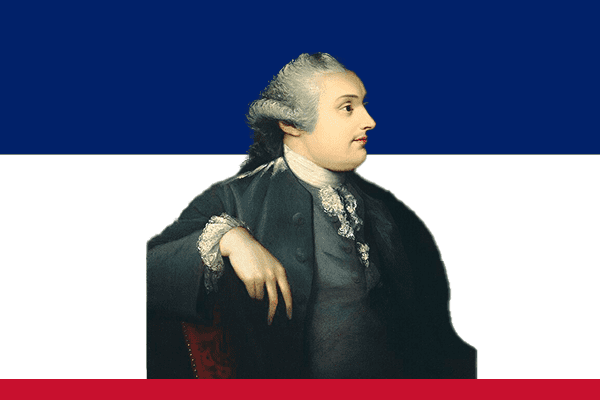
Early Life and Background
William Cavendish-Bentinck was born on 14 April 1738 into a powerful aristocratic family. His father was William Bentinck, and his family had strong connections with the British political elite. He studied at Westminster School and later at Christ Church, Oxford, where he received a classical education that prepared him for public service.
After inheriting the title of Duke of Portland in 1762, he entered national politics and quickly gained influence among the Whig political faction. He supported constitutional government and parliamentary independence and developed strong alliances with leading politicians of the time.
First Term as Prime Minister (1783)
In April 1783, Portland became Prime Minister as the nominal leader of the coalition between Charles James Fox and Lord North. Historians often call this government the Fox–North Coalition. Although Portland officially held the position of prime minister, Fox and North controlled most government policies and political decisions.
The coalition government attempted to reform the administration of the British East India Company through Fox’s India Bill. However, the proposal faced strong opposition from King George III. The king used his influence in the House of Lords to defeat the bill, and the government soon collapsed. Portland resigned in December 1783 after only a few months in office.
Political Career Between Premierships
After leaving office, Portland continued to play an important role in British politics. During the 1790s he gradually moved from the Whig faction toward the conservative government led by William Pitt the Younger. Political tensions caused by the French Revolution encouraged many moderate politicians to support Pitt’s government.
Portland later served as Home Secretary, where he helped maintain domestic stability during a period of revolutionary fears and political unrest. His administrative experience and aristocratic influence made him an important figure within the British government.
Second Term as Prime Minister (1807–1809)
Portland returned to the position of prime minister in 1807 after the fall of the government led by William Grenville. His second ministry formed during the intense conflict between Britain and Napoleon Bonaparte.
During this period, Portland led a government dominated by strong personalities such as George Canning and Lord Castlereagh. His administration supported Britain’s military efforts against France and managed foreign alliances during the Napoleonic Wars. However, conflicts within the cabinet weakened the government.
A serious political dispute between Canning and Castlereagh led to a famous duel in 1809. The internal conflict exposed divisions within the ministry and weakened Portland’s leadership.
Resignation and Death
By 1809 Portland’s health had declined significantly. Because of illness and political instability within his cabinet, he decided to resign from office. Soon after his resignation, Spencer Perceval became the new Prime Minister.
William Cavendish-Bentinck died on 30 October 1809 in Bulstrode Park. His long political career had spanned more than four decades of British political history.
Legacy
Although Portland is not remembered as one of Britain’s strongest prime ministers, historians recognize him as an important transitional figure in British politics. He helped maintain political stability during turbulent times and worked with many influential leaders of the era. His two terms in office occurred during periods of significant national challenges, including revolutionary threats and major European wars.