Mr. William Lamb
In Office: 18 April 1835 – 30 August 1841
16 July 1834 – 14 November 1834
Political Party: Wing
Home State: Fallodon
Lifespan: 1779–1848
Country: United Kingdom
Image credits available here.
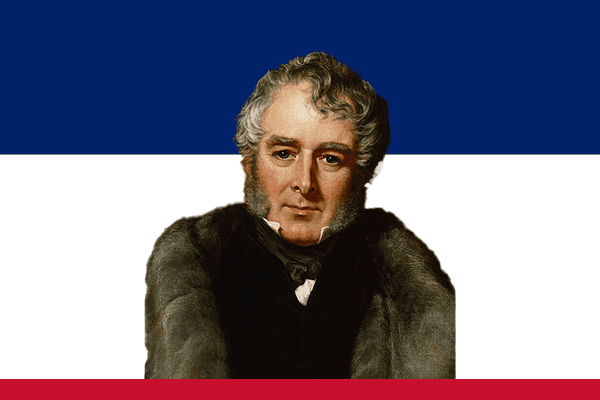
Early Life and Education
William Lamb was born on 15 March 1779 in London, England, into an influential aristocratic family. His father, Peniston Lamb, 1st Viscount Melbourne, held a respected position in British society and politics. Lamb received his education at Eton College and later attended Trinity College, Cambridge. During his youth, he developed a strong interest in literature, philosophy, and politics.
After completing his studies, Lamb began preparing for a political career. His education and family connections provided him with opportunities to enter British political life.
Beginning of Political Career
William Lamb entered the Parliament of the United Kingdom in 1806 as a member of the Whig Party. Early in his career, he served in several government positions and gained experience in administration and parliamentary debates.
In 1827, Lamb became Chief Secretary for Ireland, where he managed political issues between Britain and Ireland. Although the position presented many challenges, Lamb gained valuable experience in government leadership.
After the death of his father in 1828, he inherited the title Viscount Melbourne and moved from the House of Commons to the House of Lords.
First Term as Prime Minister
In 1834, William Lamb became Prime Minister after the resignation of Charles Grey, 2nd Earl Grey. However, his first term lasted only a few months because King William IV dismissed the Whig government. The king appointed Robert Peel as Prime Minister instead.
Despite this setback, Lamb remained an important leader within the Whig Party.
Second Term and Relationship with Queen Victoria
In 1835, William Lamb returned to power as Prime Minister. His second term lasted until 1841 and became the most significant period of his political career.
When Queen Victoria became queen in 1837, she was only eighteen years old and lacked political experience. Lamb acted as her trusted advisor and mentor. He guided her in understanding constitutional responsibilities and political traditions. Their close professional relationship helped stabilize the monarchy during the beginning of her reign.
During this time, Lamb’s government focused on moderate reforms and administrative stability rather than major political changes.
Leadership Style and Political Views
William Lamb preferred compromise and moderation in politics. He believed that gradual reform worked better than sudden change. Instead of promoting radical policies, he tried to maintain balance between different political groups.
Some critics argued that his government lacked strong direction, but supporters praised his calm personality and diplomatic approach to leadership.
Later Life and Death
In 1841, the Whig government lost the general election, and Robert Peel replaced Lamb as Prime Minister. After leaving office, Lamb gradually withdrew from public life due to declining health.
William Lamb died on 24 November 1848 in Brocket Hall.
Legacy
Historians remember William Lamb, 2nd Viscount Melbourne as a steady and influential political figure of nineteenth-century Britain. His greatest legacy lies in his mentorship of Queen Victoria, which helped shape the early years of the Victorian era. Although he did not introduce dramatic reforms, his leadership contributed to political stability in the United Kingdom during an important period of transformation.