Mr. William Petty
In Office: 4 July 1782 – 26 March 1783
Political Party: Tory
Home State: Dublin
Lifespan: 1737–1805
Country: United Kingdom
Image credits available here.
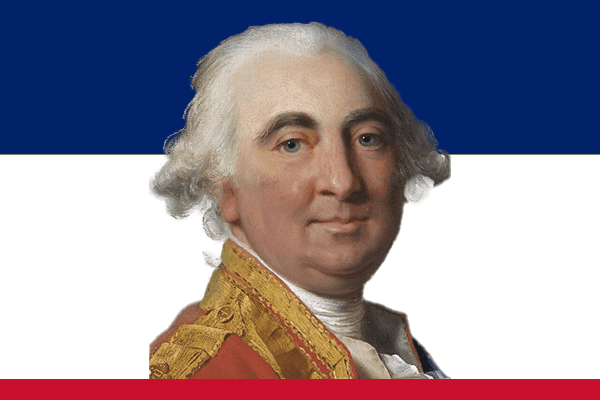
Early Life and Education
William Petty was born on May 26, 1623, in Romsey, Hampshire, England. He grew up in a modest family and showed strong intellectual abilities at a young age. Petty pursued education in different fields, including medicine, mathematics, and philosophy. He studied in France and the Netherlands, where he gained exposure to scientific thinking and modern ideas.
Petty developed a strong interest in observation and measurement. He believed that people should study society with the same scientific methods used in natural sciences. This belief later shaped his economic and political theories.
Political Career and Government Service
William Petty actively participated in public service during a time of major political change in England. He supported the government during the English Commonwealth period and worked closely with political leaders and administrators.
Petty played a key role in surveying and mapping land in Ireland after the Cromwellian conquest. He organized the Down Survey, which became one of the most detailed land surveys of the seventeenth century. His work helped the government manage land distribution and taxation more effectively.
Through his administrative skills and political connections, Petty gained influence in government affairs. He advised leaders on financial policies, taxation, and economic management. His ideas helped shape discussions about how governments should organize national resources and economic development.
Economic Ideas and Contributions
William Petty introduced several groundbreaking economic concepts. He believed that governments should base decisions on data and evidence rather than tradition or guesswork. Petty called his approach “political arithmetic.”
Political arithmetic used numbers, statistics, and measurable data to understand population, trade, and national wealth. Petty argued that a country’s strength depended on productive labor, population growth, and efficient economic policies.
He also emphasized the importance of land and labor as the main sources of wealth. His theories later influenced economists such as Adam Smith, who developed classical economic theory in the eighteenth century.
Petty encouraged governments to promote trade, improve agriculture, and invest in infrastructure. He believed that economic growth could strengthen national power and improve living standards.
Influence on Governance
Petty’s ideas extended beyond economics. He believed that effective government required rational planning and accurate information. He encouraged leaders to collect data about population, taxes, trade, and resources before making decisions.
By introducing statistical analysis into government policy, Petty helped create a foundation for modern economic planning. Governments around the world later adopted similar methods when they developed census systems, economic statistics, and policy research.
Petty also supported practical reforms that improved administration and public management. His work demonstrated that scientific thinking could help solve political and economic problems.
Legacy and Historical Importance
William Petty left a lasting legacy in economics, political science, and public administration. His innovative approach to measuring national wealth and population influenced later scholars and policymakers.
Historians recognize him as one of the founders of modern economics and statistical analysis. His ideas encouraged governments to use evidence-based policies and rational planning. Even centuries later, economists and historians continue to study his writings and contributions.