Mr. William Pitt
In Office: 30 July 1766 – 14 October 1768
Political Party: Whig
Home State: St Martin-in-the-Fields
Lifespan: 1708–1778
Country: United Kingdom
Image credits available here.
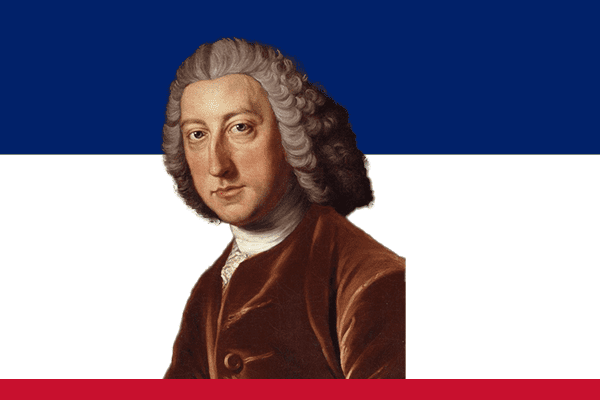
Early Life and Political Rise
William Pitt the Younger was born on May 28, 1759, in Hayes, Kent, England. His father, William Pitt the Elder, had already achieved fame as a powerful statesman and former Prime Minister. Pitt received an excellent education at Pembroke College, Cambridge, where he studied classical literature, mathematics, and political philosophy. His intellectual ability and political awareness developed early.
In 1781, Pitt entered Parliament as the Member of Parliament for Appleby. He quickly gained attention for his eloquent speeches, strong debating skills, and deep understanding of economic issues. When political instability weakened the government of Charles James Fox and others in Parliament, King George III appointed Pitt as Prime Minister in December 1783.
Leadership and Government Reforms
As Prime Minister, Pitt worked actively to strengthen Britain’s financial system. The country faced heavy debts following the American Revolutionary War. Pitt introduced reforms to improve taxation, reduce smuggling, and stabilize government finances. He created the Sinking Fund, a program designed to gradually reduce the national debt.
Pitt also focused on administrative reform. He improved government efficiency, reorganized financial departments, and increased transparency in public spending. His policies encouraged economic growth and restored confidence in the British economy.
Another major reform involved trade. Pitt signed the Eden Treaty with France in 1786, which promoted freer trade between the two countries. Although the agreement later collapsed due to war, it reflected Pitt’s belief in economic cooperation and modernization.
Role During the French Revolutionary Wars
The outbreak of the French Revolution dramatically changed European politics. Initially, Pitt tried to keep Britain out of continental conflicts. However, growing tensions and the expansion of revolutionary France forced Britain to join the war in 1793.
During the French Revolutionary Wars, Pitt directed Britain’s military and financial resources toward resisting French influence in Europe. He organized alliances with other European powers and strengthened the British navy. His government also passed security laws at home to prevent revolutionary movements from spreading within Britain.
Resignation and Return to Power
Pitt resigned in 1801 after disagreements with King George III over Catholic emancipation. Pitt strongly supported granting political rights to Catholics in Ireland following the Act of Union 1800. However, the king opposed the proposal, forcing Pitt to step down.
In 1804, Britain faced renewed conflict with Napoleon Bonaparte. Because of his experience and leadership abilities, Pitt returned as Prime Minister. He worked to build a powerful coalition against Napoleon and strengthened Britain’s military alliances across Europe.
Legacy and Death
William Pitt the Younger died on January 23, 1806, at the age of 46. Years of political pressure, financial stress, and the demands of wartime leadership had weakened his health. Despite his relatively short life, Pitt left a major legacy in British politics.
Historians recognize him as one of Britain’s most capable wartime leaders and financial reformers. His policies strengthened Britain’s economic foundations and helped prepare the nation for the long struggle against Napoleon. Pitt’s dedication to public service, strong leadership, and commitment to reform continue to shape historical evaluations of his career.