Mr. Wim Kok
In Office: 22 August 1994 – 22 July 2002
Political Party: Labour Party
Home State: Geldrop
Lifespan: 1938–2018
Country: Netherland
Image credits available here.
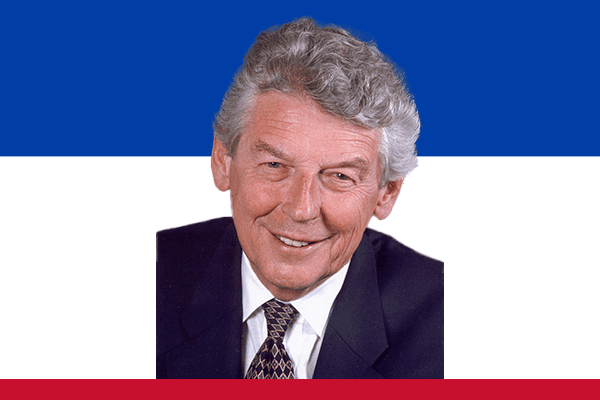
Early Life and Career
Wim Kok was born on September 29, 1938, in Bergambacht, Netherlands. He began his career not in politics but in trade unionism. He worked with the Dutch Federation of Trade Unions (FNV), where he gained recognition for his negotiation skills and leadership qualities. Later, he entered politics as a member of the Labour Party (PvdA). His experience in labor relations helped him develop a balanced perspective on economic and social issues.
Rise to Political Leadership
Before becoming Prime Minister, Kok served as Minister of Finance and Deputy Prime Minister from 1989 to 1994. During this time, he focused on reducing the national deficit and stabilizing the Dutch economy. His financial policies earned him credibility and set the stage for his leadership at the national level.
Prime Ministership (1994–2002)
Wim Kok became Prime Minister in 1994, heading the first coalition government without Christian Democratic parties in decades. His leadership style was characterized by cooperation, compromise, and practical decision-making.
Under his government, the Dutch economy experienced strong growth, low unemployment, and controlled inflation. Economic reforms were implemented to encourage job creation and improve competitiveness. At the same time, Kok’s administration introduced progressive social policies, including the legalization of same-sex marriage in 2001, making the Netherlands the first country in the world to do so.
His government also focused on education, healthcare, and infrastructure development. These reforms improved the quality of life for many citizens and strengthened the country’s international reputation.
Challenges and Resignation
Despite his successes, Kok’s second term faced challenges. In 2002, a report on the failure of Dutch peacekeeping forces during the Srebrenica massacre in Bosnia in 1995 led to significant political pressure. Taking responsibility for the events, Kok and his entire cabinet resigned shortly before the end of their term. This decision was seen as an example of political accountability and integrity.
Legacy and Impact
Wim Kok’s leadership left a lasting impact on Dutch politics and society. He was admired for his ability to bring together diverse political groups and achieve consensus. His policies contributed to economic prosperity and social progress in the Netherlands.
After leaving politics, Kok remained active in international organizations and advisory roles. He passed away on October 20, 2018, but his legacy continues to influence Dutch governance and political culture.
Conclusion
Wim Kok is remembered as a pragmatic and responsible leader who prioritized the welfare of his country. His tenure demonstrated that cooperation and balanced policies could lead to both economic success and social advancement.