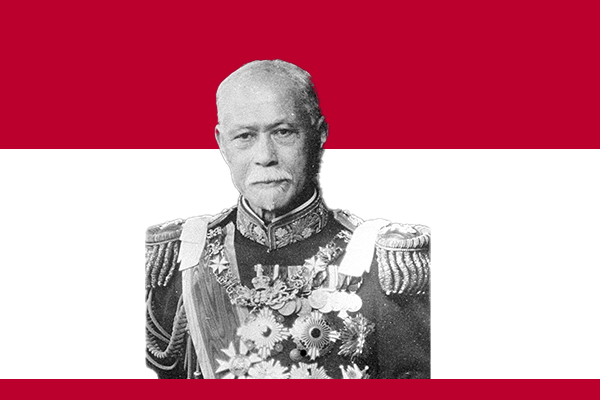
Early Life and Background
Yamamoto Gonnohyōe was born on November 26, 1852, in Kagoshima, Japan. He grew up during the final years of the Edo period, witnessing Japan’s rapid transition into a modern nation. As a young man, he pursued a career in the Imperial Japanese Navy, where his dedication and strategic thinking earned him several promotions. His naval career eventually shaped his political life, as he brought discipline and vision into government leadership.
Rise to Political Power
The Japanese Emperor appointed Yamamoto Gonnohyōe as Prime Minister in 1913, after recognizing his leadership in the navy and government. He quickly established his authority, forming a cabinet that focused on modernization and reforms. Rather than simply following traditional politics, Yamamoto took bold steps to strengthen Japan’s political and military systems.
Yamamoto believed in balancing civilian and military powers, ensuring that Japan moved toward democracy while maintaining national security. His decisions reflected his experience as an admiral, as he pushed for policies that developed Japan’s navy and strengthened the nation’s defense.
Domestic Policies and Reforms
As Prime Minister, Yamamoto actively introduced reforms that improved Japan’s governance. He worked to reduce political corruption, increase transparency, and modernize administrative systems. Unlike leaders who relied on conservative approaches, Yamamoto encouraged parliamentary debates and sought cooperation among different political groups.
He also promoted education reforms and supported industrialization to boost Japan’s economy. By strengthening Japan’s infrastructure and military readiness, he aimed to make the nation a global power. His leadership encouraged Japan to embrace modernization while respecting its cultural heritage.
Challenges During His Tenure
Despite his achievements, Yamamoto faced several political challenges. The outbreak of World War I in 1914 tested his leadership. He decided to align Japan with the Allies, which allowed Japan to seize German territories in the Pacific. This decision increased Japan’s influence but also drew criticism from some political factions who questioned Japan’s role in global conflicts.
Another challenge came from opposition parties that resisted his reforms. They feared that his policies would weaken traditional political powers. Yet, Yamamoto refused to abandon his vision. He continued to push for modernization and military strength, believing that Japan’s future depended on progress and unity.
Resignation and Later Life
In 1914, the Siemens Scandal, a major corruption case involving naval procurement, forced Yamamoto to resign as Prime Minister. Critics accused naval officers of accepting bribes from a German company for warship contracts. Although Yamamoto was not personally involved, he accepted responsibility as the head of the government and stepped down to preserve political stability.
However, his career did not end there. In 1923, following the devastating Great Kanto Earthquake, the Emperor once again appointed Yamamoto as Prime Minister to lead Japan through recovery. He organized relief efforts, rebuilt infrastructure, and restored public confidence in the government. His leadership during this crisis earned him respect across political and social circles.
Legacy and Contribution
Yamamoto Gonnohyōe passed away on December 8, 1933, leaving behind a legacy of modernization, military reforms, and crisis leadership. Historians credit him for strengthening Japan’s navy, promoting political transparency, and guiding the nation through both war and disaster recovery.
By embracing modernization while respecting tradition, Yamamoto shaped Japan’s path toward becoming a major global power. His career demonstrated courage, responsibility, and a commitment to national progress.