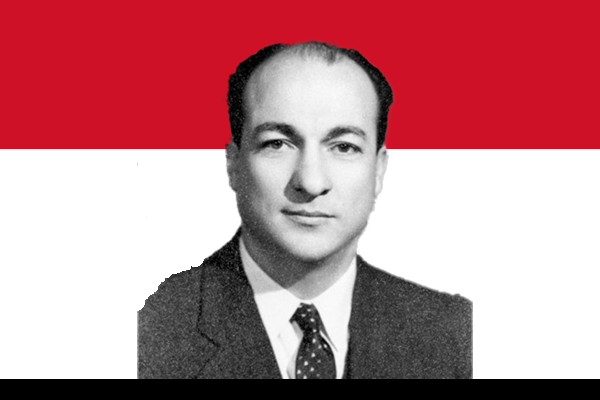
Early Life and Education
Zakaria Mohieddin was born on July 5, 1918, in Kafr Shukr, Qalyubia, Egypt. He pursued his education at the Military Academy in Cairo and later joined the Staff College. He trained as a military officer and gained experience in leadership, organization, and strategy. His strong educational foundation prepared him for the prominent roles he later assumed in Egypt’s political and military landscape.
Military Career and Role in the Revolution
Zakaria Mohieddin built his reputation as a professional soldier. He participated in the Palestine War of 1948 and demonstrated discipline and courage. He also joined the Free Officers Movement, which aimed to end British influence and overthrow the monarchy in Egypt. In 1952, he played a crucial role in the Egyptian Revolution that ended King Farouk’s rule and established a republic. By taking part in the revolution, he positioned himself as one of the trusted figures in Egypt’s new leadership.
Service in Government
President Gamal Abdel Nasser relied heavily on Zakaria Mohieddin for leadership and administrative duties. Mohieddin served as Minister of Interior, where he organized security services and established modern administrative systems. He worked to strengthen national stability and maintain order. Later, Nasser appointed him as Vice President of Egypt, recognizing his ability to handle state responsibilities with efficiency and loyalty.
Tenure as Prime Minister
Zakaria Mohieddin became Prime Minister of Egypt in 1965. Nasser chose him during a difficult time when Egypt faced political challenges and economic struggles. As Prime Minister, Mohieddin implemented development projects, encouraged economic reforms, and promoted modernization. He focused on creating stronger state institutions and improving national unity. His leadership reflected discipline, organization, and a commitment to Egypt’s progress.
Relationship with Nasser and Political Role
Although Zakaria Mohieddin worked closely with President Nasser, he often preferred administrative responsibilities rather than political speeches. Nasser trusted him with sensitive assignments because of his loyalty and efficiency. Many observers noted that Mohieddin acted as a stabilizing force in Egyptian politics. When Egypt experienced the Six-Day War in 1967, Nasser briefly asked Mohieddin to assume leadership. However, Mohieddin declined the role of president, showing his preference for service over personal ambition.
Later Years and Withdrawal from Politics
After Nasser’s era, Zakaria Mohieddin gradually withdrew from active politics. He focused on private life and did not seek public attention. Unlike many other leaders of his generation, he chose not to pursue political power aggressively. He maintained respect as one of Egypt’s most disciplined and trustworthy officials. Mohieddin lived a quiet life until his passing on January 15, 2012, at the age of 93.
Legacy of Zakaria Mohieddin
Zakaria Mohieddin left a lasting legacy in Egypt’s political and military history. He represented integrity, loyalty, and administrative skill. Egyptians remember him as a man who valued discipline and service more than political ambition. His role in the revolution, his contributions as Minister of Interior, his service as Vice President, and his leadership as Prime Minister made him one of the most respected figures in modern Egyptian history.
Conclusion
Zakaria Mohieddin lived as a soldier, revolutionary, and statesman. He helped shape modern Egypt by supporting Nasser, strengthening state institutions, and leading with discipline. His decision to avoid personal power struggles set him apart from other politicians of his time. Egypt honors him as a leader who prioritized stability, loyalty, and national service above everything else.