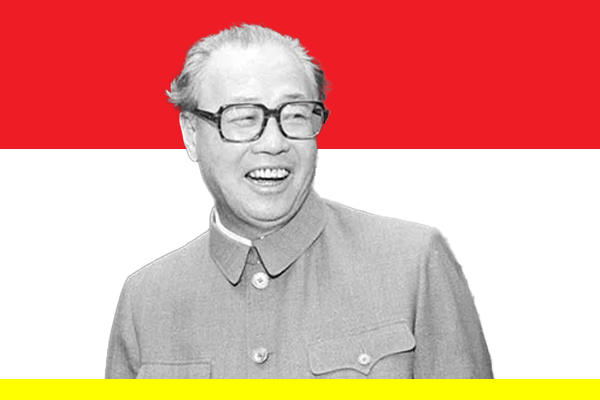
Mr. Zhao Ziyang
In Office: 15 January 1987– 24 June 1989
Political Party: Chinses Community Party
Home State: Henan
Lifespan: 1919–2005
Early Life and Political Beginnings
Zhao Ziyang (赵紫阳) was born on October 17, 1919, in Hua County, Henan Province, to a relatively wealthy landowning family. Despite the political sensitivity of his background, Zhao joined the Chinese Communist Party (CCP) as a youth during the 1930s. During the revolutionary years and the early era of the People’s Republic of China, he actively took on local party and administrative responsibilities, focusing primarily on rural development and economic management.
In the 1950s and 60s, Zhao assumed leadership positions in Guangdong and later Sichuan Province. He earned a reputation as a pragmatic reformer. In the late 1970s, Zhao successfully revived Sichuan’s economy—an achievement famously summed up in the phrase “Sichuan’s grain output doubled.” This accomplishment drew the attention of Deng Xiaoping and other senior party leaders.
Rise to National Leadership
After the Cultural Revolution ended and Mao Zedong died, Deng Xiaoping began to elevate leaders who could guide China toward modernization. In 1980, Deng promoted Zhao to Vice Premier, and later that year, Zhao became Premier of the State Council. In 1987, he succeeded Hu Yaobang as General Secretary of the CCP, becoming one of the most influential leaders in the country.
Zhao collaborated closely with Deng and other reformers to push forward sweeping economic changes aimed at shifting China from a rigid planned economy to a more open, market-oriented system.
Economic and Political Reformer
As Premier and then General Secretary, Zhao Ziyang played a central role in designing China’s early economic reforms. He introduced and promoted key policies such as:
- Decentralizing economic control to local governments
- Encouraging private enterprise and foreign investment
- Establishing Special Economic Zones (SEZs)
Zhao also recognized the need for political reform to support economic liberalization. He advocated for legal and institutional transparency, increased government accountability, and a reduction in CCP interference in state administration. These positions triggered resistance from party hardliners.
Tiananmen Square and Political Downfall
Zhao’s reformist beliefs faced a major challenge during the 1989 Tiananmen Square protests, when students and citizens demanded political reforms, freedom of speech, and an end to corruption.
Unlike other top leaders, Zhao called for dialogue and opposed the use of force against the demonstrators. On May 19, 1989, he visited the students in Tiananmen Square and, with visible emotion, told them, “We have come too late,” expressing both sympathy and a recognition of his lost political leverage.
After the violent crackdown on June 4, the government removed Zhao from all official roles and placed him under house arrest, where he remained for the rest of his life.
Later Years and Legacy
Zhao Ziyang spent his later years under strict surveillance, living quietly until his death on January 17, 2005. The Chinese government gave little official acknowledgment to his passing. However, his secret memoirs—smuggled abroad and published as “Prisoner of the State”—revealed his deep opposition to the Tiananmen crackdown and provided rare insight into the inner workings of elite Chinese politics.
Conclusion
Zhao Ziyang is remembered as a courageous reformer who placed the people’s welfare and China’s long-term future above political dogma. Though purged from official history, his legacy lives on among those who value political transparency, accountability, and compassionate leadership.
Early Life and Political Beginnings
Zhao Ziyang (赵紫阳) was born on October 17, 1919, in Hua County, Henan Province, into a relatively wealthy landowning family. Despite his background, which later became politically sensitive, Zhao joined the Chinese Communist Party (CCP) in his youth during the 1930s. During the revolutionary years and early PRC era, he held local party and administrative posts, focusing largely on rural and economic management.
In the 1950s and 60s, Zhao held leadership roles in Guangdong and later Sichuan Province, where he gained a reputation as a pragmatic reformer. In the late 1970s, his success in reviving Sichuan’s economy—summed up in the phrase “Sichuan’s grain output doubled”—caught the attention of Deng Xiaoping and party leaders.
Rise to National Leadership
Following the end of the Cultural Revolution and Mao Zedong’s death, Deng Xiaoping sought leaders who could guide China out of chaos and into modernization. Zhao was promoted to Vice Premier in 1980 and became Premier of the State Council the same year. In 1987, he succeeded Hu Yaobang as General Secretary of the CCP, effectively making him one of the most powerful men in China.
During this time, Zhao worked closely with Deng and other reformers to implement sweeping economic reforms aimed at transitioning China from a rigid planned economy to a more open, market-driven system.
Economic and Political Reformer
As Premier and later General Secretary, Zhao Ziyang was a major architect of China’s early economic opening. He championed policies such as:
Decentralizing economic control to local governments
Encouraging private enterprise and foreign investment
Establishing Special Economic Zones (SEZs)
But Zhao also recognized the need for political reform to accompany economic liberalization. He pushed for legal and institutional transparenc, greater government accountability, and reduced CCP interference in state functions. These views, however, sparked resistance from hardliners within the party.
Tiananmen Square and Political Downfall
Zhao’s reformist ideals were put to the test during the 1989 Tiananmen Square protests, when students and citizens began demanding political reform, freedom of speech, and an end to corruption.
Unlike other top leaders, Zhao advocated for dialogue and restraint, opposing the use of force against demonstrators. On May 19, 1989, he visited the students in Tiananmen Square and emotionally said, “We have come too late,” signaling his sympathy and loss of political control.
After the June 4 crackdown, Zhao was removed from all official positions and placed under house arrest, where he remained for the rest of his life.
Later Years and Legacy
Zhao Ziyang lived quietly under surveillance until his death on January 17, 2005. His death received little official acknowledgment in China. However, his secret memoirs, smuggled out and published abroad as*“Prisoner of the State”, revealed his internal opposition to the Tiananmen crackdown and offered rare insight into elite Chinese politics.
Conclusion
Zhao Ziyang is remembered as a courageous reformer who prioritized the well-being of the people and the long-term future of China. Though purged and erased from official narratives, his legacy endures among those who value political openness, accountability, and humane leadership.